Stakeholder Collaboration: Aligning Teams for Success
What is Stakeholder Collaboration?
Stakeholder collaboration is the process of engaging and coordinating with internal and external stakeholders to align goals, share resources, and drive successful project outcomes. It involves clear communication, workflow alignment, and mutual decision-making to ensure that all involved parties work toward a common objective.
For marketers and designers, collaboration with stakeholders is essential to executing campaigns, refining branding, and ensuring that all messaging and creative elements align with business goals. Stakeholders can include internal teams such as marketing, sales, and product development, as well as external partners like clients, vendors, and creative agencies.
How Stakeholder Collaboration Works
Effective collaboration requires structured communication, shared access to resources, and clear approval processes. Many teams use project management tools, digital asset management (DAM) systems, and collaborative platforms to streamline communication and keep everyone aligned.
For example, a marketing team launching a new product campaign needs input from multiple stakeholders, including:
- Designers creating promotional visuals
- Sales teams providing insights on customer pain points
- Product managers ensuring messaging is accurate
- Executives approving final assets and strategy
Without an organized process, miscommunication can lead to delays, duplicated work, or inconsistent branding. By using structured collaboration tools, teams can ensure that everyone is working with the most up-to-date materials and decisions are made efficiently.
Why Stakeholder Collaboration Matters for Marketers and Designers
1. Ensures Brand Consistency Across Teams
Marketing and design teams rely on input from different stakeholders to ensure that branding, messaging, and visuals remain consistent. When teams collaborate effectively, they can align their work with brand guidelines and avoid conflicting versions of assets being used across different channels.
2. Speeds Up Approval Processes
One of the biggest challenges in marketing and design is the approval process. Stakeholder collaboration tools allow teams to streamline feedback collection and approval workflows, ensuring that projects move forward without unnecessary delays.
3. Reduces Errors and Miscommunication
Miscommunication often leads to duplicated work or incorrect materials being distributed. A centralized collaboration process ensures that all stakeholders have clear expectations, reducing the chances of costly mistakes in campaign execution or design updates.
4. Enhances Productivity and Efficiency
When all teams have access to the right information and assets, they can work more efficiently. Designers can focus on creating, marketers can refine their messaging, and sales teams can confidently use approved materials to engage with prospects.
The Role of Digital Asset Management in Stakeholder Collaboration
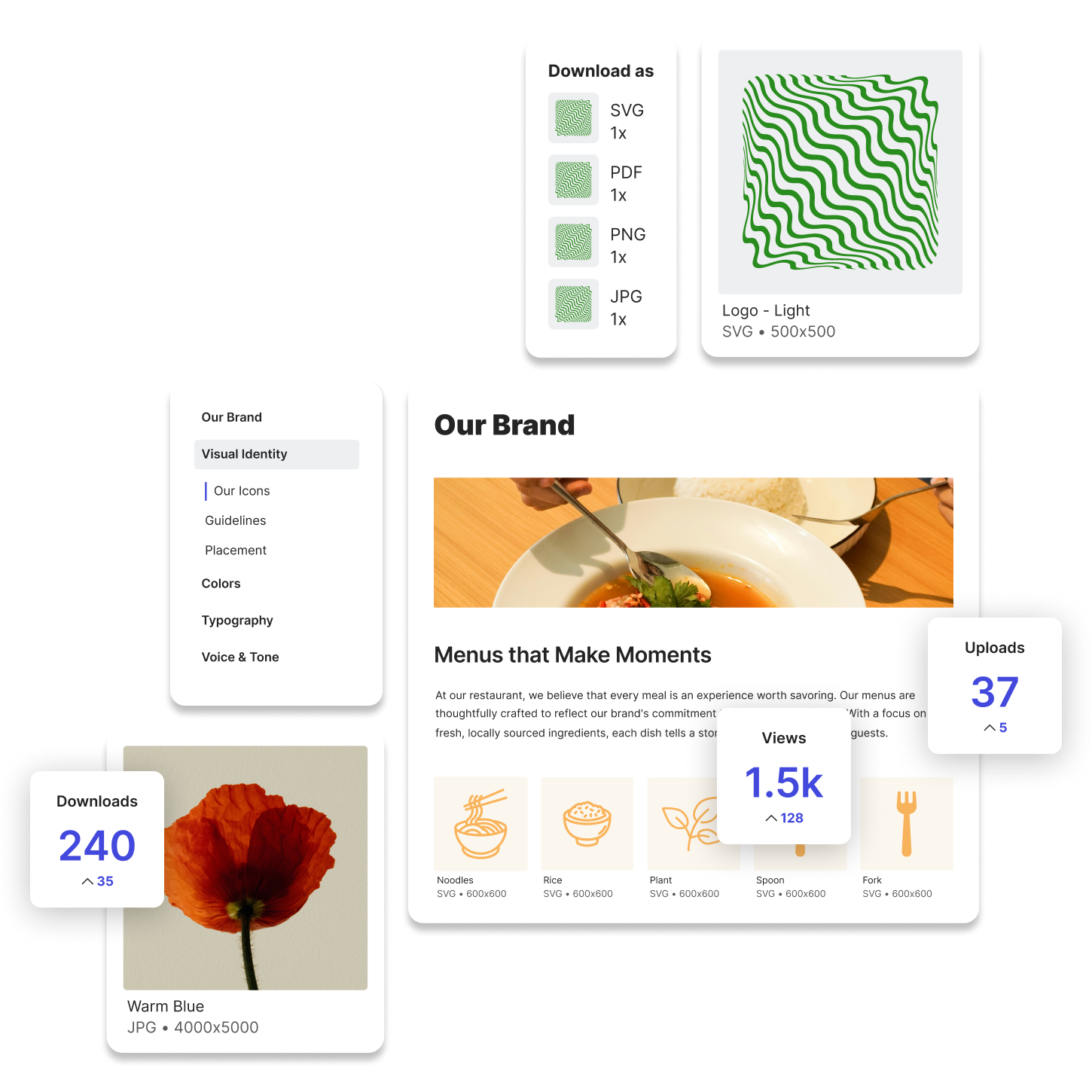
A digital asset management (DAM) system plays a key role in stakeholder collaboration by centralizing all brand assets in one easily accessible location. Instead of sharing files through email chains or scattered cloud folders, teams can store, organize, and manage digital assets in a structured environment.
For example, a global brand running multiple marketing campaigns across different regions can use a DAM system to ensure that all teams access the same set of approved images, videos, and promotional materials. This prevents regional teams from using outdated or off-brand visuals and ensures consistency across all marketing efforts.
Best Practices for Effective Stakeholder Collaboration
- Use Centralized Tools for Communication – Platforms like project management software and DAM systems ensure that all stakeholders stay informed and have access to the latest materials.
- Establish Clear Roles and Responsibilities – Define who is responsible for providing input, reviewing content, and approving final assets.
- Create a Standardized Review and Approval Process – Use workflows that streamline approvals and feedback collection to prevent bottlenecks.
- Maintain a Single Source of Truth for Assets – Ensure that marketing and design teams work from an organized and up-to-date asset library of brand assets.
- Encourage Open and Transparent Communication – Keep stakeholders informed about project progress, upcoming deadlines, and important decisions.
Building a Collaborative Environment for Long-Term Success
Effective stakeholder collaboration leads to stronger brand consistency, faster project execution, and more cohesive marketing campaigns. By implementing the right tools and processes, teams can work together efficiently while reducing miscommunication and workflow inefficiencies.
For businesses that manage large-scale branding efforts, integrating a DAM system into their collaboration process can further improve organization and ensure that every stakeholder has access to the right content at the right time. A well-structured approach to collaboration not only streamlines day-to-day operations but also strengthens the overall impact of marketing and design efforts.
Try Lingo for free.