Marketing Technology: The Tools Powering Modern Marketing Operations
What is Marketing Technology?
Marketing technology, often referred to as MarTech, is the collection of software and digital tools used by businesses to manage, automate, analyze, and optimize marketing activities. It enables marketing teams to streamline workflows, improve efficiency, and enhance customer engagement across multiple channels.
From customer relationship management (CRM) platforms and automation tools to analytics dashboards and digital asset management (DAM) systems, MarTech plays a critical role in modern marketing strategies. Businesses rely on these technologies to execute campaigns, measure performance, and deliver personalized content at scale.
How Marketing Technology Works
Marketing technology helps organizations manage, distribute, and analyze marketing efforts through a connected ecosystem of tools. These platforms work together to improve marketing execution by:
- Collecting and managing customer data to refine targeting and personalization.
- Automating repetitive tasks like email sequences, social media scheduling, and lead scoring.
- Enabling seamless collaboration through centralized content and asset management.
- Tracking and analyzing campaign performance to optimize strategies and maximize ROI.
A well-integrated MarTech stack allows businesses to connect multiple tools and data sources, ensuring that marketing teams work efficiently and have access to real-time insights.
Key Components of Marketing Technology
Customer Relationship Management (CRM)
CRM platforms like Salesforce and HubSpot help businesses track customer interactions, manage leads, and personalize communication based on behavioral data.
Marketing Automation Platforms
Automation tools like Marketo, Pardot, and ActiveCampaign streamline lead nurturing, email marketing, and multi-channel campaign management.
Content Management Systems (CMS)
CMS platforms such as WordPress, Contentful, and Drupal allow businesses to create, edit, and publish website content while integrating with SEO and analytics tools.
Digital Asset Management (DAM) Systems
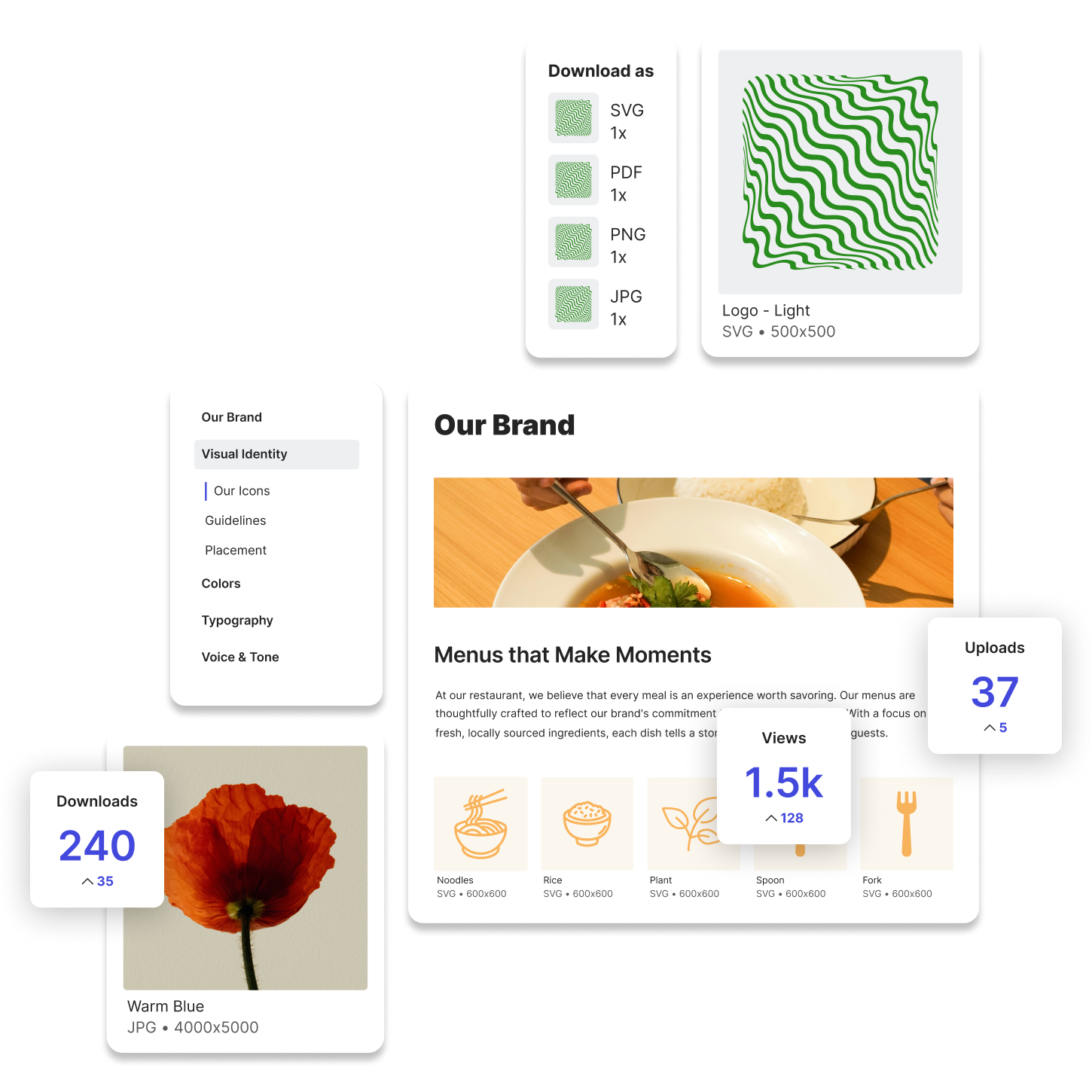
DAM platforms like Lingo provide a centralized location for storing, organizing, and distributing brand assets, including images, videos, logos, and templates.
Marketing teams rely on DAM systems to:
- Ensure consistent branding across all campaigns and channels.
- Provide approved assets to regional and global teams.
- Prevent file versioning issues and unauthorized content use.
- Speed up content creation and campaign execution.
Analytics and Data Visualization Tools
Platforms like Google Analytics, Adobe Analytics, and Tableau help businesses track marketing performance, measure customer engagement, and optimize conversion strategies.
Advertising and Paid Media Management
Ad management platforms such as Google Ads, Meta Ads Manager, and LinkedIn Campaign Manager allow businesses to run targeted digital ads, track performance, and optimize ad spend.
Social Media and Community Management
Tools like Hootsuite, Sprout Social, and Buffer help schedule posts, monitor engagement, and manage interactions across social platforms.
AI and Personalization Technologies
AI-powered platforms such as Drift, Persado, and Dynamic Yield enhance marketing efforts by personalizing content, chatbots, and customer interactions in real time.
The Role of Digital Asset Management (DAM) in Marketing Technology
A Digital Asset Management (DAM) system like Lingo plays a crucial role in a MarTech stack by streamlining content organization, ensuring brand compliance, and optimizing asset distribution. Without a DAM, marketing teams struggle with disorganized files, version control issues, and inefficient content retrieval.
Integrating a DAM system with other marketing technologies enhances:
- Brand consistency by ensuring all marketing materials adhere to brand guidelines.
- Faster content deployment by providing teams with quick access to approved assets.
- Multi-channel content distribution by integrating with CMS, social media, and advertising platforms.
- Marketing efficiency by reducing time spent searching for or recreating assets.
How Marketing Technology Works Together in a MarTech Stack
A well-structured marketing technology stack connects multiple marketing technologies to automate workflows, track data, and improve campaign performance.
Example of a Connected MarTech Stack Using DAM
Imagine a global brand launching a new product campaign. Their MarTech stack might include:
- HubSpot (CRM) – Manages customer data and segments audiences for personalized campaigns.
- Marketo (Marketing Automation) – Sends automated emails featuring campaign visuals pulled from Lingo.
- WordPress (CMS) – Hosts the campaign landing page, embedding images stored in Lingo’s DAM.
- Lingo (DAM) – Stores and organizes all campaign assets, including logos, images, and videos.
- Google Ads & Meta Ads Manager – Runs paid ads using approved creatives retrieved from the DAM.
- Google Analytics – Tracks performance and engagement across the campaign.
With DAM at the core of the MarTech stack, marketing teams ensure that all content and creative assets are easily accessible, properly formatted, and consistently used across different marketing channels.
Why Marketing Technology Matters
1. Increases Efficiency and Scalability
Marketing technology automates repetitive tasks, allowing teams to focus on strategy, creativity, and high-impact initiatives.
2. Improves Customer Engagement and Personalization
With AI-powered tools, marketing teams can deliver hyper-personalized content at scale, increasing engagement and conversions.
3. Enhances Data-Driven Decision Making
Integrated MarTech platforms provide real-time insights that help businesses refine campaigns, improve targeting, and maximize ROI.
4. Ensures Brand Consistency Across Channels
With DAM and CMS integration, marketing teams can maintain a unified brand experience across all customer touch points.
Best Practices for Implementing Marketing Technology
- Assess Business Needs – Identify key pain points and select tools that address specific challenges.
- Ensure Integration Between Platforms – Choose technologies that seamlessly connect to create a unified system.
- Prioritize User Adoption – Train teams to maximize the use of MarTech tools.
- Centralize Content Management – Use DAM to organize, store, and distribute brand assets efficiently.
- Regularly Audit and Optimize the Stack – Remove redundant tools and refine workflows for better performance.
The Future of Marketing Technology
As marketing becomes increasingly data-driven, automated, and AI-powered, the role of MarTech will continue to expand. Future trends include:
- AI-driven content creation and automation to enhance personalization.
- Greater connectivity between DAM, CRM, and automation platforms for seamless workflows.
- More sophisticated analytics and predictive modeling to optimize marketing spend.
- Increased emphasis on privacy and data security as regulations evolve.
Marketing teams that leverage the right technologies and integrate them effectively will gain a competitive advantage, driving higher engagement, efficiency, and brand success.
Try Lingo for free.