MarTech: The Technology Powering Modern Marketing
What is MarTech?
MarTech, short for marketing technology, refers to the collection of software and digital tools that help businesses plan, execute, analyze, and optimize marketing campaigns and activities. These technologies enable marketers to automate workflows, track customer behavior, measure performance, and enhance audience engagement across multiple channels.
As marketing becomes more data-driven and personalized, MarTech plays a crucial role in helping businesses streamline processes, improve decision-making, and scale marketing efforts efficiently.
How MarTech Works
A MarTech stack consists of various interconnected tools that support different aspects of marketing operations. These platforms work together to manage customer data, automate campaign execution, measure performance, and optimize marketing efforts based on insights.
Key Functions of MarTech
- Customer Relationship Management (CRM) – Stores and tracks customer interactions, helping businesses personalize outreach and nurture leads.
- Marketing Automation – Automates tasks like email marketing, social media posting, and ad campaigns to improve efficiency.
- Content and Digital Asset Management (DAM) – Organizes and distributes brand assets such as images, videos, and templates, ensuring brand consistency.
- Data Analytics and Reporting – Tracks campaign performance, website traffic, and audience engagement, providing insights for optimization.
- Advertising and Paid Media Management – Supports ad placements, audience targeting, and budget optimization for digital advertising campaigns.
- AI-Powered Personalization – Uses machine learning to deliver tailored content and product recommendations based on user behavior.
The Role of Digital Asset Management (DAM) in MarTech
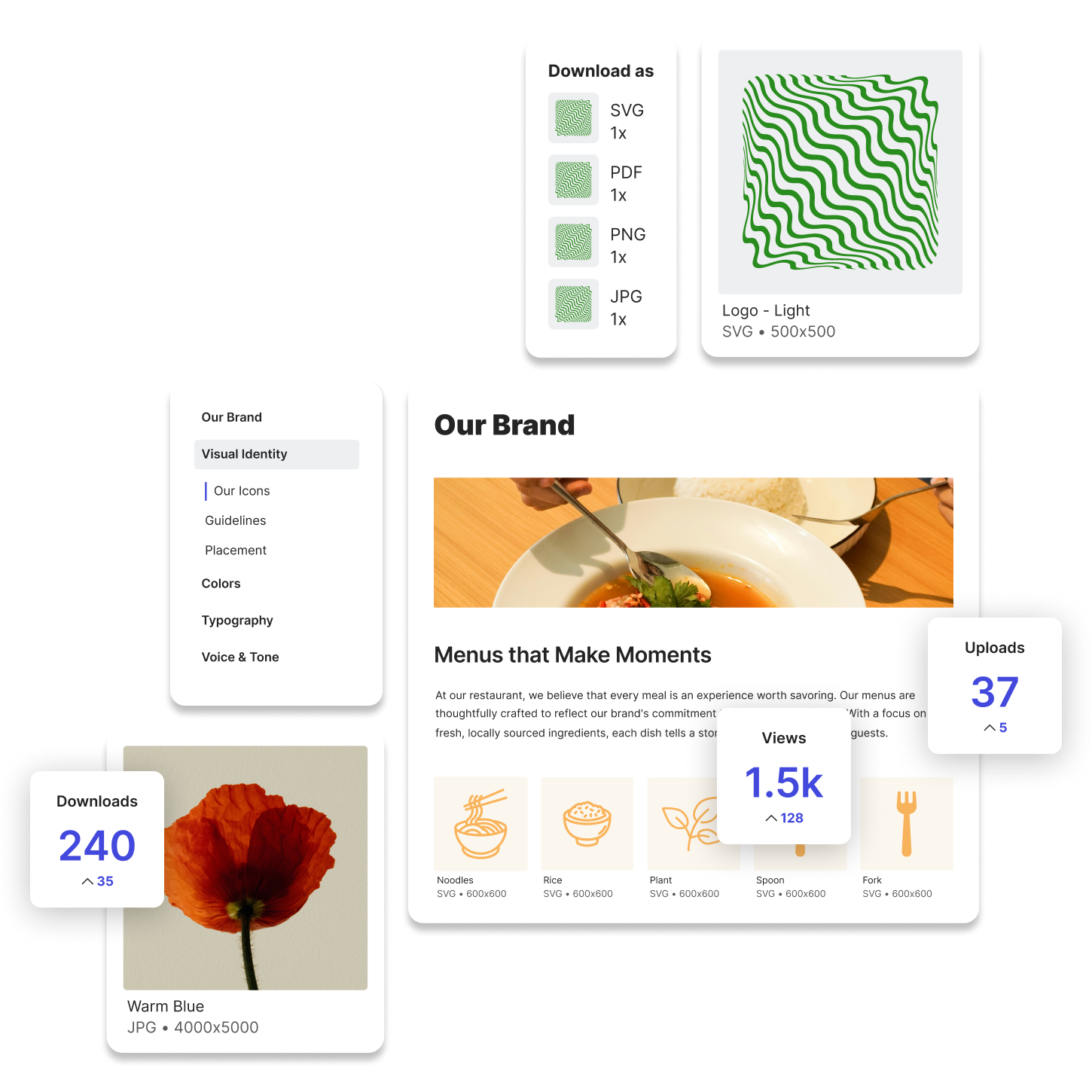
A Digital Asset Management (DAM) platform like Lingo is a key component of a MarTech stack because it centralizes, organizes, and distributes digital marketing assets efficiently. Without a DAM, marketing teams struggle with version control, outdated materials, and inefficient asset retrieval.
When integrated into a marketing technology stack, a DAM system ensures that:
- Marketing teams have quick access to approved content, reducing time spent searching for assets.
- Campaigns maintain brand consistency across all digital and print materials.
- Assets are optimized for multi-channel distribution, supporting everything from social media posts to email campaigns.
- Teams collaborate efficiently by managing creative approvals and tracking asset usage.
How MarTech Connects the Entire Marketing Ecosystem
A well-integrated MarTech stack ensures that data flows seamlessly between tools, reducing manual work and improving marketing effectiveness.
Example of a MarTech Stack in Action
Imagine a SaaS company launching a new product campaign. Their MarTech stack might include:
- HubSpot (CRM) – Manages customer interactions and tracks lead data.
- Marketo (Marketing Automation) – Sends targeted email sequences and automates lead nurturing workflows.
- Lingo (DAM) – Stores and organizes all visual assets, ensuring the correct branding across campaigns.
- WordPress (CMS) – Hosts a dedicated landing page for the product launch, embedding assets from Lingo.
- Google Ads & LinkedIn Campaign Manager – Runs paid advertising campaigns using creatives stored in Lingo.
- Google Analytics & Tableau – Tracks campaign performance, conversions, and audience engagement.
By ensuring all platforms are interconnected, the company can deliver a consistent brand experience, automate workflows, and optimize campaigns based on data-driven insights.
Why MarTech Matters
1. Increases Efficiency and Reduces Manual Work
Marketing teams can automate repetitive tasks, such as email outreach, ad placements, and social media scheduling, freeing up time for strategic initiatives.
2. Improves Audience Targeting and Personalization
AI-powered tools and CRM integrations allow marketers to segment audiences and deliver personalized content, improving engagement and conversion rates.
3. Enhances Data-Driven Decision Making
Analytics tools help businesses track campaign performance, customer interactions, and ROI, ensuring that marketing strategies are optimized based on real-time insights.
4. Supports Scalable Marketing Operations
MarTech enables businesses to manage campaigns across multiple regions, channels, and customer touchpoints efficiently, making it essential for global marketing teams.
Best Practices for Building a MarTech Stack
- Choose Tools That Integrate Seamlessly – Ensure that CRM, DAM, automation, and analytics platforms connect to avoid data silos.
- Prioritize User Adoption – Train marketing teams to fully utilize MarTech tools and workflows.
- Regularly Audit and Optimize – Assess the performance of MarTech tools and eliminate redundant platforms.
- Ensure Data Privacy Compliance – Align with GDPR, CCPA, and other data protection regulations.
- Use AI and Automation to Scale Efforts – Implement machine learning tools to enhance targeting and content personalization.
The Future of MarTech
As AI, automation, and predictive analytics continue to evolve, the future of MarTech will focus on hyper-personalization, real-time data insights, and deeper integrations across marketing tools. Emerging trends include:
- AI-driven content creation for dynamic ad campaigns.
- Voice search optimization and conversational AI for customer interactions.
- Blockchain technology for improved data security and transparency in ad tracking.
Companies that build and refine a scalable, data-driven MarTech stack will be better positioned to drive marketing efficiency, improve customer engagement, and increase ROI in a rapidly evolving digital landscape.
Try Lingo for free.