DAM vs. CMS: Understanding the Differences and How They Work Together
What is a DAM (Digital Asset Management) System?
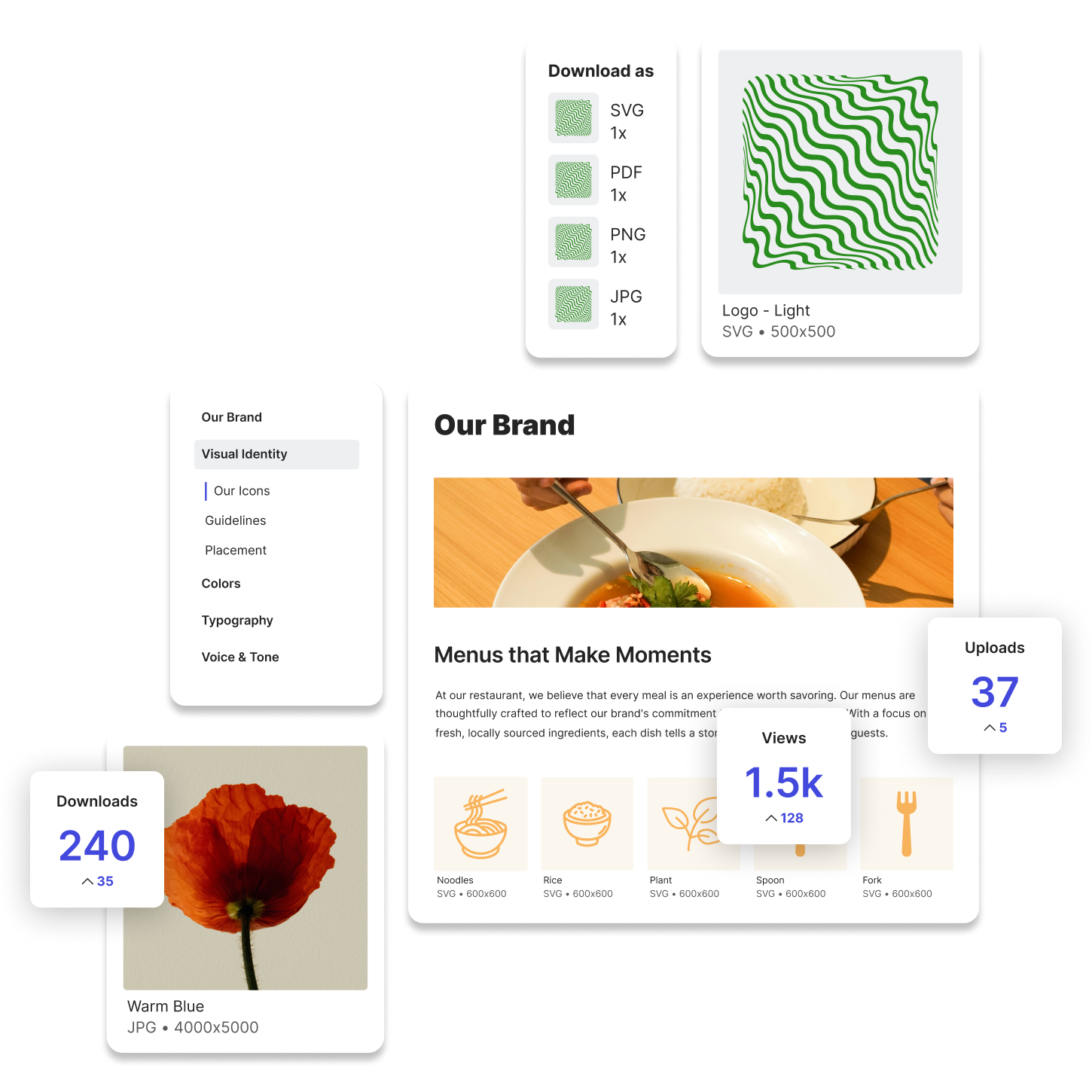
A Digital Asset Management (DAM) system is a centralized platform for storing, organizing, and distributing digital assets such as images, videos, design files, documents, and marketing materials. It provides advanced metadata tagging, searchability, and version control, ensuring that teams can easily access and use approved brand assets.
DAM solutions help marketing teams, designers, and content creators maintain brand consistency and streamline collaboration by providing a structured way to manage rich media assets. Platforms like Lingo allow businesses to store, categorize, and control access to their digital content efficiently.
Key Features of a DAM System:
- Metadata tagging and search functionality for fast file retrieval.
- Version control to manage edits and updates without losing previous iterations.
- Access control and permissions to regulate who can use, edit, or download assets.
- Integration with creative tools such as Adobe Creative Cloud and Figma.
- Automated file conversions to generate different formats and resolutions.
- Brand kit enforcement to ensure consistency across marketing materials.
What is a CMS (Content Management System)?
A Content Management System (CMS) is a software platform used to create, manage, and publish digital content on websites. It provides tools for building web pages, structuring content, targeting customer personas, and optimizing for SEO, making it essential for businesses that manage blogs, product pages, and marketing sites.
A CMS simplifies website content management by allowing teams to add, edit, and publish text, images, and multimedia content without requiring extensive coding knowledge. Platforms like WordPress, Drupal, and Contentful are widely used across industries to manage website content efficiently.
Key Features of a CMS:
- WYSIWYG (What You See Is What You Get) editors for easy content creation.
- Template and theme management for structuring web pages.
- SEO tools to optimize content for search engine visibility.
- Content scheduling and publishing workflows for editorial teams.
- User role management to assign different permissions for content creators and editors.
- Integration with third-party plugins for enhanced functionality, such as e-commerce or analytics.
DAM vs. CMS: Key Differences
While both DAM and CMS solutions manage digital content, they serve distinct purposes and cater to different aspects of content workflows.
Try Lingo for free.