Why Technology Companies Need Digital Asset Management
Technology companies move fast. From early-stage startups to scaled SaaS platforms, the speed of iteration, product updates, hiring, and go-to-market activity generates a constant flow of creative and branded assets. These include UI mockups, product screenshots, pitch decks, investor materials, customer case studies, event graphics, internal enablement docs, and social campaign visuals.
Managing these assets across distributed teams, multiple tools, and rapid campaign cycles can quickly lead to disorganization. Without a structured system, teams waste time hunting for files, duplicating work, or using outdated visuals. Worse, brand consistency starts to erode across channels and regions.
A cloud-based Digital Asset Management (DAM) platform gives tech companies a single source of truth for organizing, accessing, and distributing assets efficiently and securely.
The Common Asset Challenges in Tech
Technology organizations face a unique set of operational and creative challenges:
- Remote or hybrid teams working across time zones and departments
- Multiple stakeholders using different tools for design, marketing, and documentation
- Rapid product changes that require constant asset updates
- Brand guidelines that evolve quickly but are not enforced consistently
- Assets scattered across Drive, Figma, Dropbox, email, and Slack
Without a DAM, creative and marketing teams often become bottlenecks. Requests pile up. Old files circulate. The brand experience starts to fragment.
How Lingo Solves DAM for Tech Teams
Lingo was built to meet the needs of creatives and marketing teams to have a scalable creative management platform in a fast-paced industry like tech. It makes it easy to centralize assets, enforce brand standards, and enable other teams to find and use the content they need, without hand-holding.
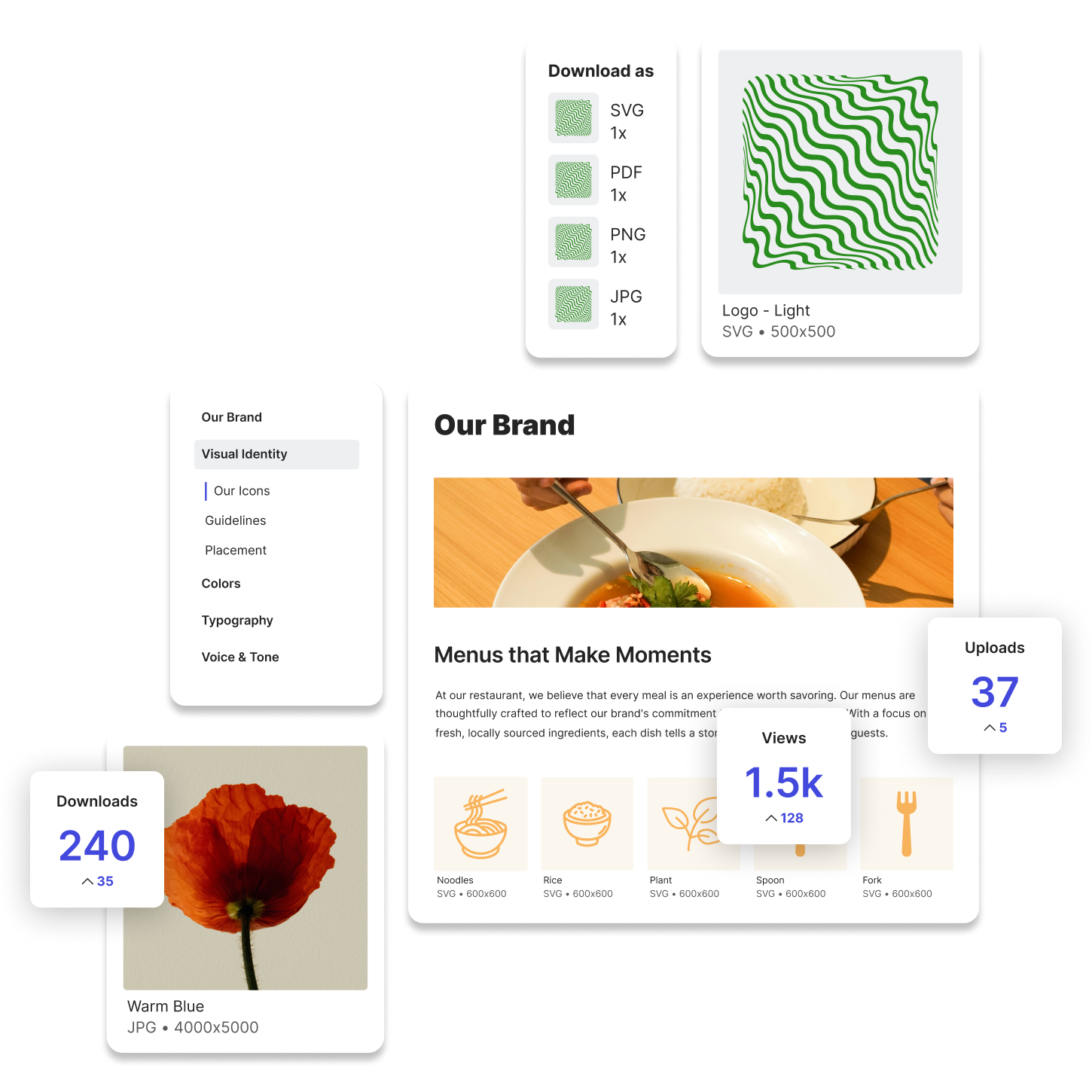
Organize with Kits built around product, campaign, or team
In Lingo, content is grouped into Kits. These can reflect your company’s internal structure or campaign needs. Popular Kits for tech companies include:
- Product feature images and screenshots
- Launch campaign visuals and messaging templates
- Sales enablement decks and customer case studies
- Conference and event branding
- Developer documentation graphics
Try Lingo for free.