What Is DAM Implementation?
DAM implementation is the process of planning, deploying, and operationalizing a Digital Asset Management platform within an organization. It includes identifying asset needs, structuring how content is organized, training stakeholders, configuring permissions, and integrating the system into existing workflows.
The goal of DAM implementation is not just to set up a tool. It’s to create a centralized, intuitive space where assets can be stored, shared, governed, and used consistently across departments, teams, and partners.
Whether a company is migrating from shared drives or switching from Cento, ore replacing another DAM platform, the implementation phase sets the foundation for how well the system will perform.
Why DAM Implementation Fails Without Strategy
Many DAM platforms fail to deliver impact because implementation was rushed or approached as a one-time technical task. Without thoughtful planning, companies often face:
- Confusing folder structures or tag systems that don’t match how teams actually work
- Low adoption because stakeholders can’t find or trust the assets
- Assets uploaded without usage context or brand guidelines
- Lack of permissions control or versioning
- Systems that require too much ongoing maintenance
- Attempting to implement file management software rather than a digital asset management workflow
The best DAM implementation strategies are not only technical but also operational and cultural. The system should reflect how the organization works and scale as those needs evolve.
Lingo’s Approach to Implementation
Lingo was designed to reduce friction at every stage of DAM implementation. Whether your team is small and agile or large and distributed, Lingo simplifies the rollout process with intuitive tools, visual organization, and lightweight onboarding.
Step 1: Identify what content belongs in the DAM
Not every file in your organization needs to be in your DAM. Lingo helps teams focus on curating the content that is brand-facing, frequently reused, or requires governance.
Typical content types to start with:
- Logos and visual identity files
- Approved brand photography and videos
- Social graphics and ad creative
- Presentation templates and one-pagers
- Product imagery and campaign assets
By starting with high-impact assets, teams can demonstrate immediate value and expand from there.
Step 2: Structure content with kits
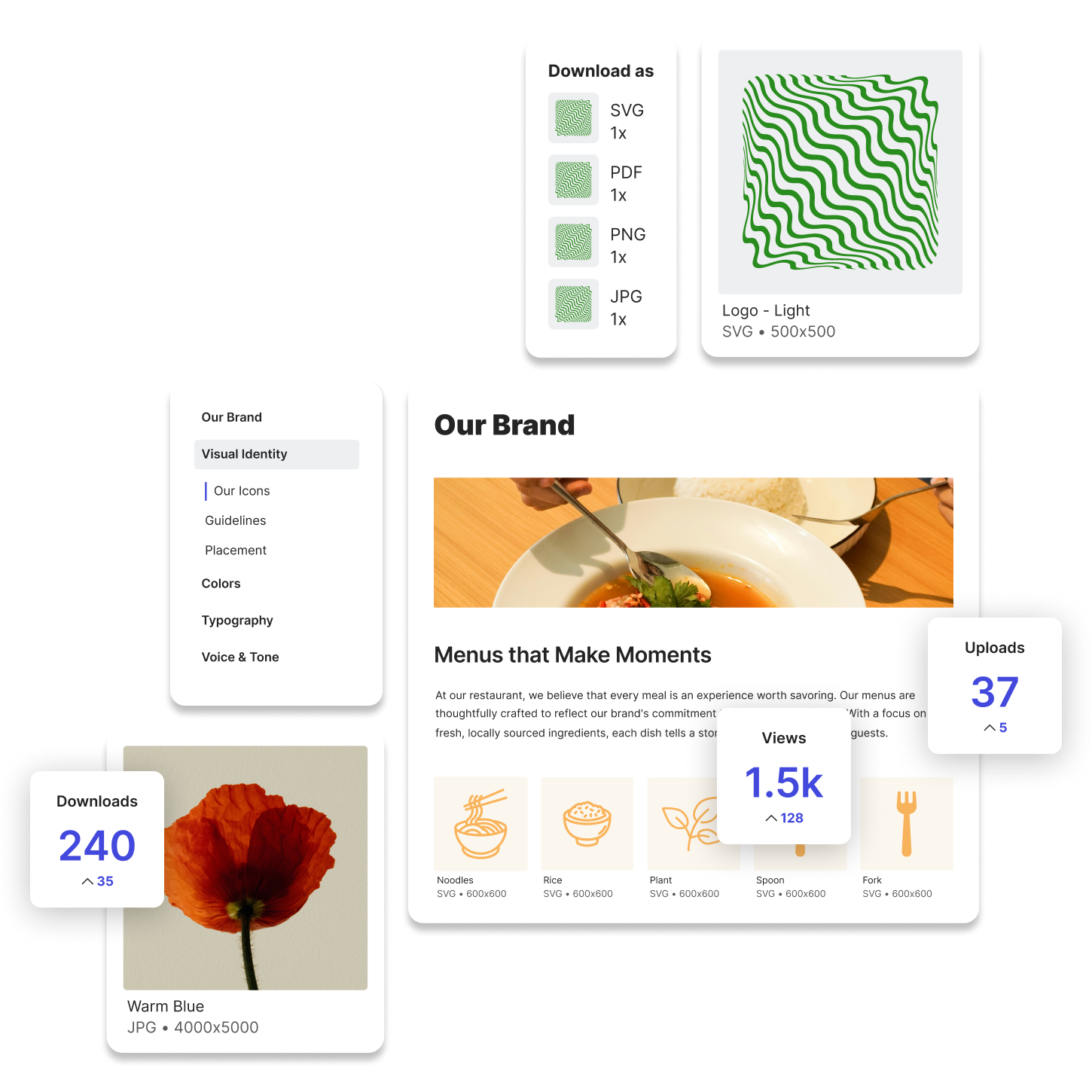
In Lingo, content is organized into Kits rather than complex folder trees. Each Kit is a visually curated collection of assets around a specific theme, department, campaign, or product line.
During implementation, it’s important to:
- Group assets in ways that match how users search or work
- Use consistent naming conventions and tagging logic
- Add relevant usage notes or brand guidance within each Kit
Kits help reduce guesswork, prevent misused assets, and make onboarding faster for new users.
Pro-Tip: If you have been using Dropbox or Google Drive as your digital asset manager, we make it easy to transfer your files. Be sure to check out our integrations for both Dropbox and Google Drive to see how to do this seamlessly.
Step 3: Set permissions and access controls
A successful DAM implementation balances openness with control. Lingo allows administrators to assign access based on:
- User roles (view only, download, or admin)
- Specific Kits or Portals
- Private vs. public sharing
Try Lingo for free.