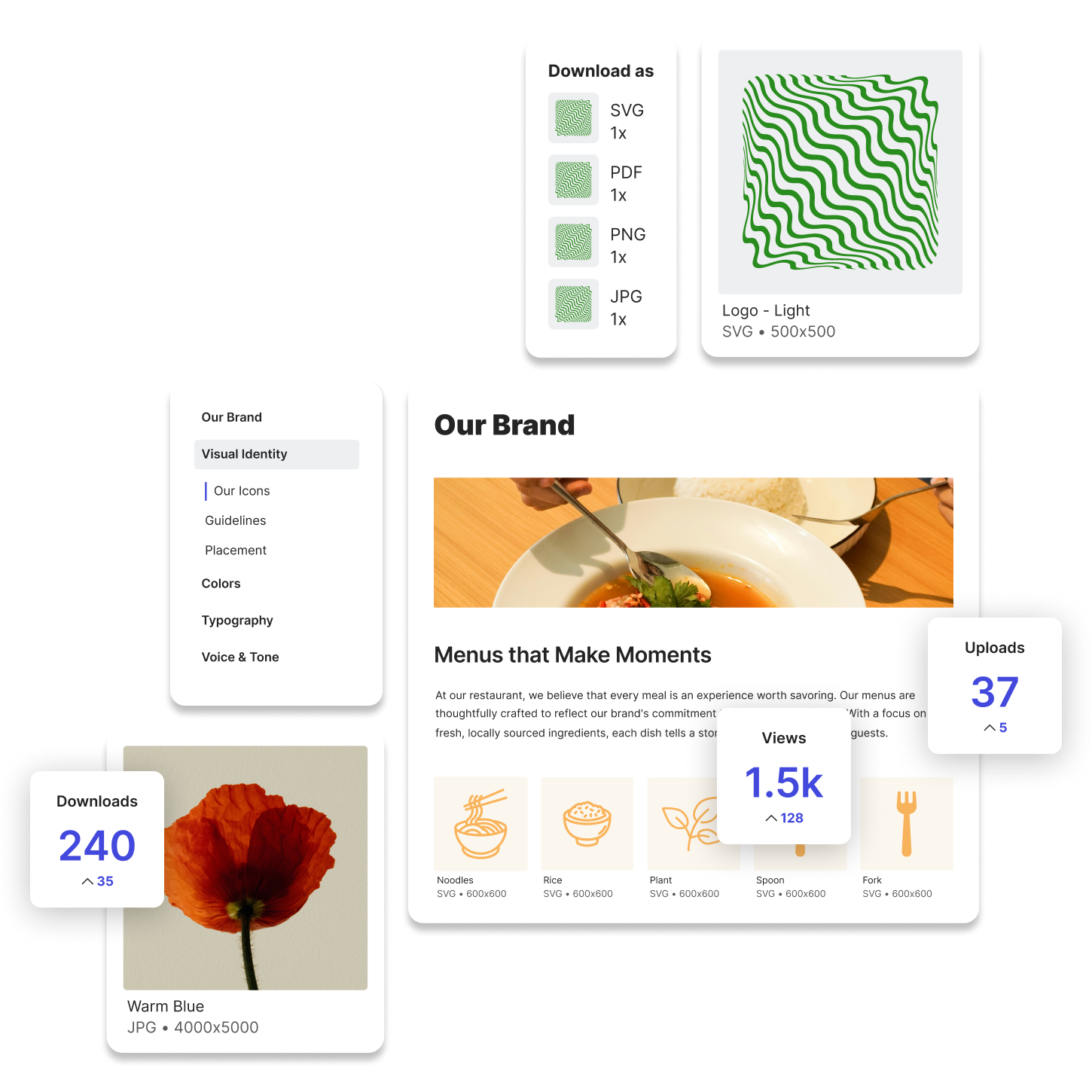
What is Brand Consistency?
Brand consistency is the practice of maintaining uniformity in a company's visual identity, messaging, and overall brand experience across all touch points. It ensures that customers, employees, and external partners encounter the same logo, colors, tone of voice, and brand values whether they engage with the brand online, in print, or in person.
Consistent branding reinforces recognition, builds trust, and strengthens a company’s market position. When a brand delivers the same experience across different channels, audiences are more likely to remember and engage with it.
Why Brand Consistency Matters
1. Strengthens Brand Recognition
When people see the same logo, typography, and color scheme across multiple platforms, they develop a stronger connection with the brand. Over time, this recognition turns into familiarity, making customers more likely to choose that brand over competitors.
2. Builds Trust and Credibility
Inconsistent branding creates confusion and can make a company appear unprofessional or unreliable. A consistent brand signals stability, professionalism, and authenticity, increasing customer confidence.
3. Improves Customer Experience
Customers expect a seamless experience across a company’s website, social media, ads, packaging, and customer service. When all elements align, the brand experience feels cohesive and polished, leading to higher engagement and loyalty.
4. Streamlines Marketing and Sales Efforts
When branding is standardized, marketing and sales teams spend less time recreating assets or clarifying guidelines. This allows for more efficient campaigns, faster content production, and stronger brand alignment across teams.
How Digital Asset Management Ensures Brand Consistency
Maintaining brand consistency requires more than just guidelines. It requires a system that ensures all teams and external partners use the correct brand assets, messaging, and materials. This is where digital asset management (DAM) plays a critical role.
1. Provides a Centralized Source for Approved Brand Assets
One of the biggest challenges in brand consistency is ensuring that employees, designers, and external agencies are using the correct logos, fonts, and marketing materials. A DAM system:
- Stores all approved brand assets in one location, eliminating outdated files.
- Allows teams to quickly find the right versions of logos, templates, and graphics.
- Prevents unauthorized edits or modifications that could lead to off-brand materials.
Try Lingo for free.