Website branding is the process of designing and structuring a website to reflect a company’s identity, values, and visual style. It involves the strategic use of logos, typography, colors, imagery, and messaging to create a cohesive and engaging digital experience. A well-branded website helps businesses establish credibility, build customer trust, and differentiate themselves in competitive markets.
For marketers and designers, website branding is a critical component of an overall brand strategy. It ensures that every interaction a user has with a website reinforces the company’s identity and mission. Whether a business is selling products, providing services, or sharing information, its website serves as a digital storefront that must be visually appealing, functional, and aligned with the brand’s core message.
A brand’s logo is one of its most recognizable elements. It should be placed prominently on the website, typically in the header and footer, to establish brand recognition. Logos must be used consistently across all pages and should follow size, color, and placement guidelines set within the company’s brand guidelines.
Example: A tech startup that wants to project a modern and innovative image may use a sleek, minimalistic logo with a monochrome color palette. In contrast, a children’s toy company may use bright, playful colors and a fun, dynamic logo.
Colors influence how users perceive a brand and affect their experience on a website. Businesses typically choose a primary and secondary color palette that aligns with their overall branding strategy. These colors should be applied consistently to buttons, backgrounds, text, and other design elements.
Example: A financial services company may use blue tones to convey trust and reliability, while a wellness brand might use earthy greens and neutral colors to create a calming effect.

Fonts play an important role in branding because they contribute to the personality of a website. A well-branded site follows a typography hierarchy that includes heading fonts, body text fonts, and accent text.
Example: A luxury fashion brand may use an elegant serif font to project sophistication, while a digital agency might opt for a clean sans-serif font to reflect modernity and innovation.
The photos, videos, and graphics used on a website should align with the company’s brand guidelines. High-quality images, lifestyle photography, and custom illustrations can enhance the user experience while reinforcing brand identity.
Example: A travel company might feature full-width, high-resolution images of scenic destinations to inspire visitors, while an educational website might use clean, vector-based illustrations to simplify complex concepts.
The way a company communicates on its website is just as important as its visuals. Brand messaging should be clear, consistent, and aligned with the company's personality. Whether formal and professional or casual and conversational, the tone of voice should reflect the brand’s identity.
Example: A law firm’s website may use authoritative and professional language to establish credibility, while a fitness brand might use a motivational and energetic tone to engage users.
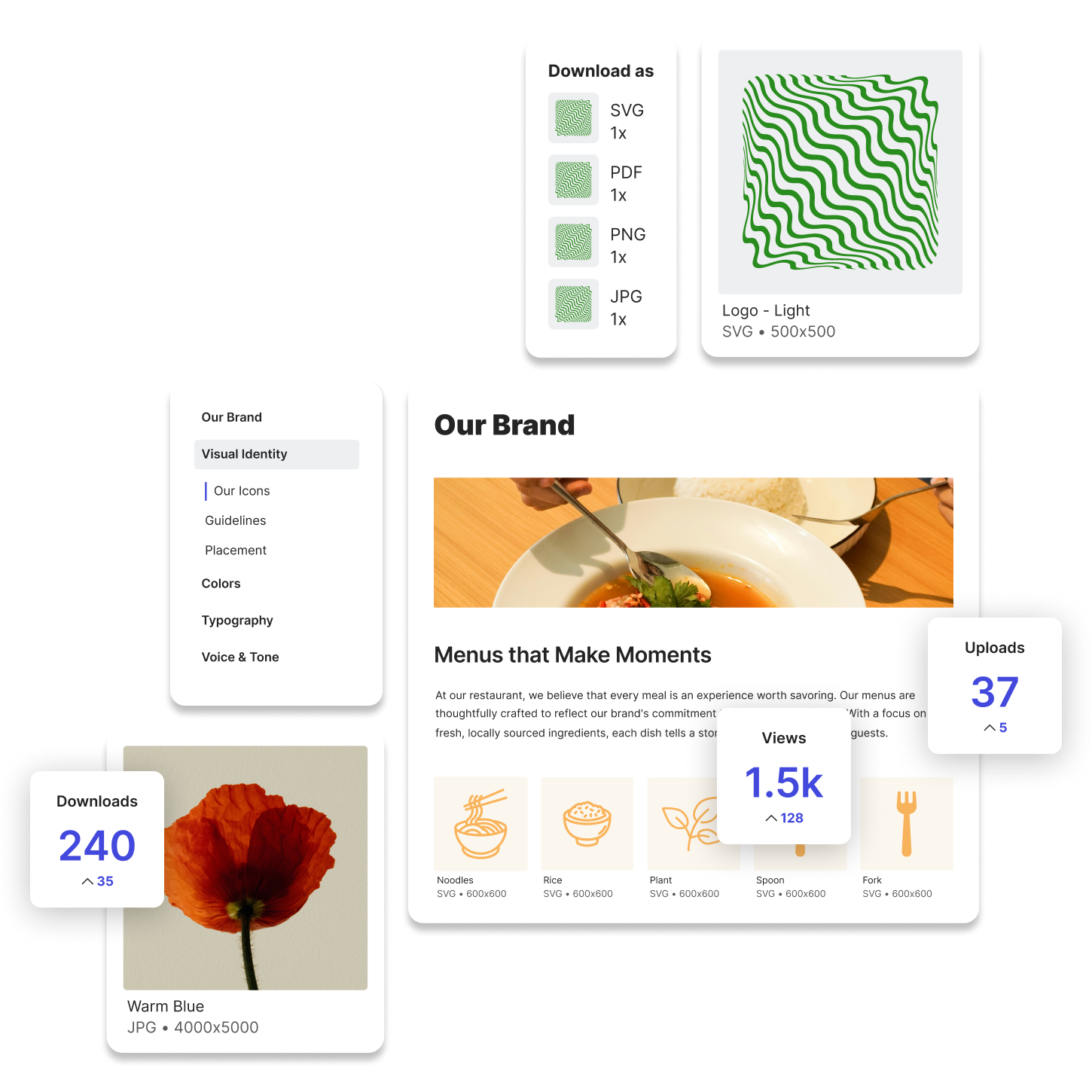
A digital asset management (DAM) system plays a crucial role in maintaining brand consistency across a website. Platforms like Lingo help businesses organize, store, and distribute brand assets, making it easier for marketing and design teams to ensure their website follows brand guidelines.
A DAM system provides:
For example, a global retail company using a DAM system can ensure that regional teams always have access to the correct logos, promotional images, and design templates. This prevents inconsistencies that could weaken the brand’s digital presence.
A well-branded website enhances brand credibility, improves user engagement, and creates a memorable experience for visitors. It establishes trust by ensuring that every design element, message, and interaction aligns with the brand’s identity.
For businesses that use a DAM system like Lingo, website branding becomes even more efficient. A DAM ensures that brand assets remain organized, accessible, and up to date, allowing marketing and design teams to maintain consistency across web pages effortlessly.
By following best practices and using the right tools, businesses can create a website that not only looks visually compelling but also strengthens brand recognition and fosters customer loyalty.