User Story: Defining User Needs for Better Product Development
What is a User Story?
A user story is a concise, user-focused statement that describes a specific need or goal from the perspective of the end user. It is commonly used in software development, UX design, and product management to ensure that features and functionalities align with real user expectations. A well-written user story helps development teams understand what users need, why they need it, and how they will interact with a product or system.
Unlike technical specifications, which focus on how a feature is built, user stories describe what the user wants to achieve. This approach keeps the focus on usability and user experience, making it easier for designers, developers, and marketers to create solutions that are intuitive and effective.
How a User Story is Structured
A typical user story follows a simple format:
"As a [type of user], I want [a specific action or feature] so that [desired outcome]."
This structure ensures that every story clearly identifies the user, their intent, and the value they gain from the feature.
For example, a social media manager might have the following user story:
"As a social media manager, I want to quickly find brand-approved graphics so that I can create social posts without worrying about outdated or off-brand visuals."
This story highlights the problem (difficulty finding assets), the needed action (searching for brand-approved graphics), and the benefit (ensuring consistency in branding).
Why User Stories Matter for Marketers and Designers
1. Aligns Development with User Needs
User stories ensure that product development stays focused on real-world needs rather than assumptions. Instead of building unnecessary features, teams prioritize functionality that enhances the user experience.
2. Improves Collaboration Across Teams
Marketing, design, and development teams often work together on projects, but they may have different perspectives on what is essential. User stories provide a common language that helps teams communicate and stay aligned on project goals.
3. Enhances User Experience
By focusing on how users interact with a system, designers and developers can create more intuitive interfaces and workflows. This results in a smoother user experience and higher engagement with the product.
4. Helps Prioritize Features
Not all features are equally important. User stories help teams identify the most critical functionalities by emphasizing the direct benefits to the user. This makes it easier to prioritize development efforts and optimize resources.
User Stories in Digital Asset Management
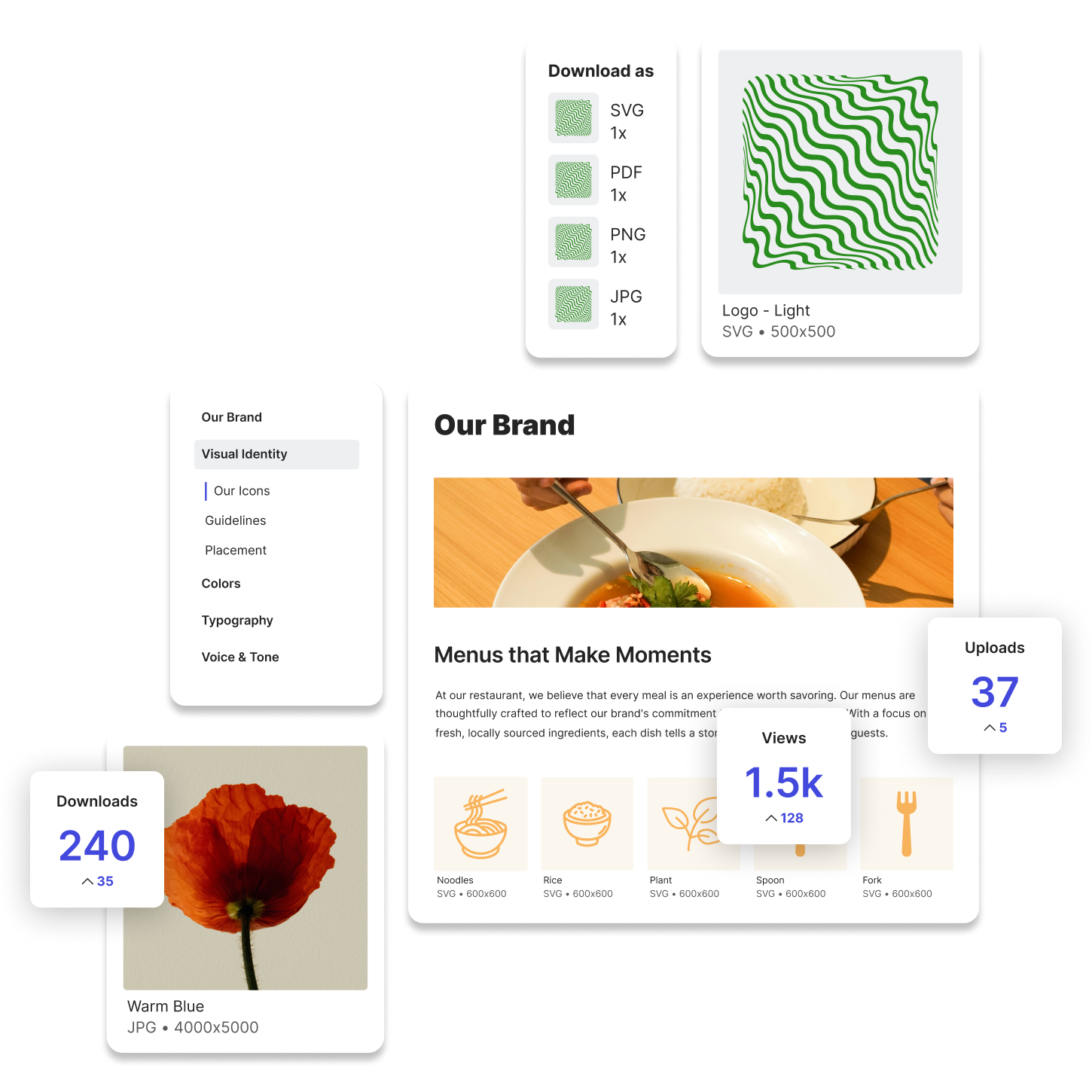
User stories play a crucial role in designing and improving digital asset management (DAM) systems. Different users interact with a DAM in unique ways, and user stories help identify those needs to optimize usability.
Some examples of user stories for a DAM platform include:
- "As a designer, I want to search for product images by keyword so that I can quickly find the correct assets for my projects."
- "As a marketer, I want to share campaign assets with my agency so that they can produce social media ads without requesting files from me."
- "As a brand manager, I want to control access to certain files so that only approved users can download official brand assets."
By defining these user stories, DAM platforms can implement features such as metadata tagging, folder permissions, and collaboration tools to enhance productivity and user satisfaction.
Best Practices for Writing Effective User Stories
- Keep Them Simple and Clear – Focus on the user’s needs and avoid technical jargon.
- Be Specific About the Goal – Define the desired outcome rather than just describing an action.
- Make Them User-Centric – Frame stories from the perspective of the end user, not the system or feature itself.
- Ensure They Are Actionable – A good user story should guide development and design teams toward building something useful.
- Continuously Refine Based on Feedback – User needs evolve, so revisit and adjust stories as necessary.
Building Better Experiences with User Stories
User stories are a powerful tool for creating products and features that truly serve user needs. Whether developing a website, designing a DAM platform, or improving marketing workflows, writing clear and focused user stories ensures that every decision is made with the end user in mind.
By integrating user stories into the planning process, teams can foster better collaboration, build more effective solutions, and enhance the overall user experience. Understanding what users need and how they interact with a system is the key to delivering products that are both functional and valuable.
Try Lingo for free.