Online Image Management: Organizing and Optimizing Digital Visuals
What is Online Image Management?
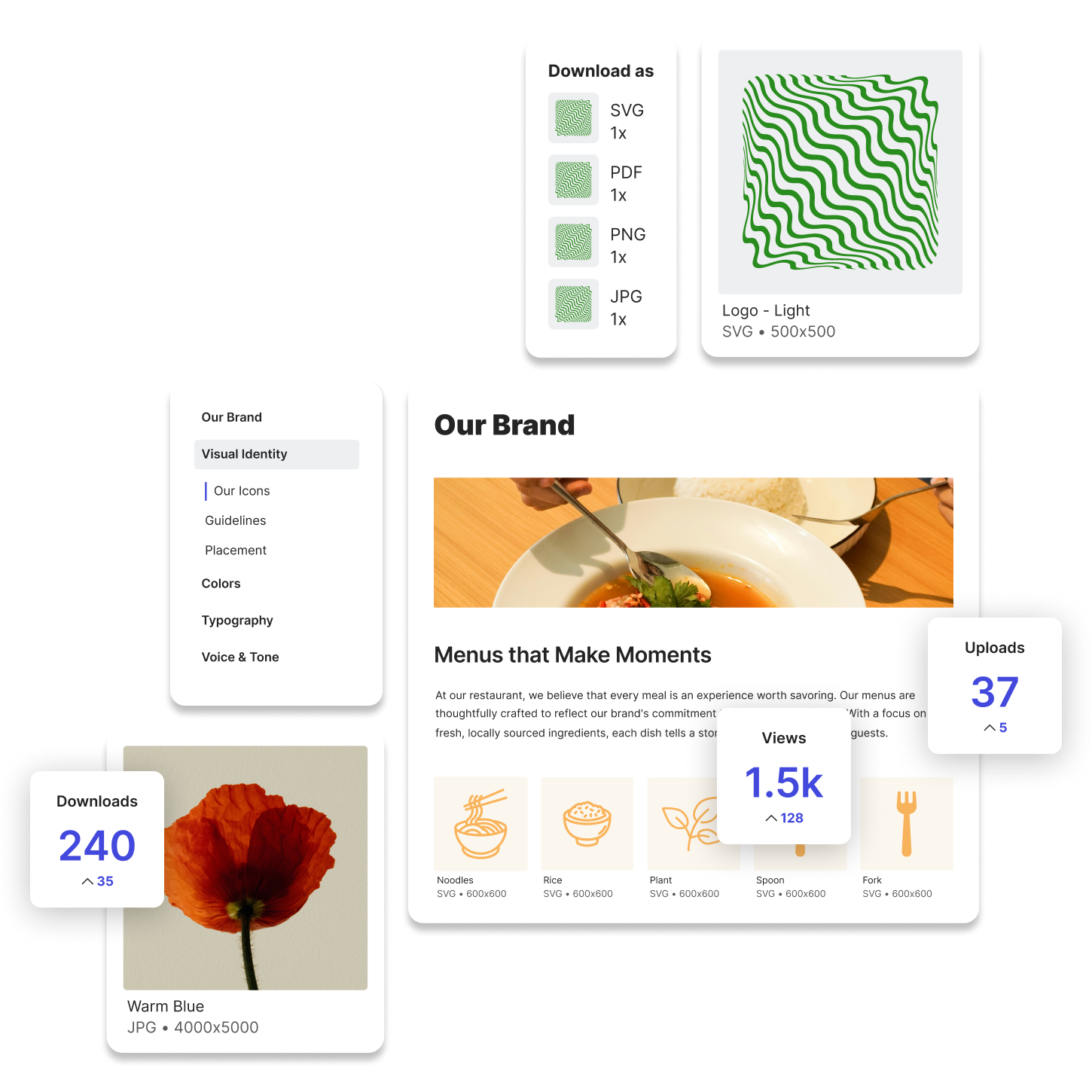
Online image management is the process of storing, organizing, editing, and sharing digital images using cloud-based platforms. It allows businesses, marketers, and designers to efficiently manage large collections of visual assets, ensuring easy access, proper organization, and brand consistency.
As digital marketing continues to rely heavily on visuals, businesses need a structured way to manage their images. From social media graphics and website banners to product photography and campaign visuals, having a system in place ensures teams can find the right images when they need them without searching through cluttered folders.
How Online Image Management Works
Online image management platforms provide cloud-based storage with organization tools that help users categorize, tag, and retrieve images quickly. These platforms often include:
- Metadata tagging for better searchability
- Version control to track edits and updates
- Permissions management to control who can access and edit files
- Editing tools for resizing and format adjustments
For example, a marketing team running a product launch may need to store and distribute product photos across different teams. Instead of relying on scattered email attachments or shared drives, a centralized online image management system allows them to:
- Tag images with keywords such as "Spring Collection" or "Social Media Ad"
- Ensure only the latest, approved versions are used
- Provide designers, content teams, and external partners access to the correct visuals
Why Online Image Management Matters for Marketers and Designers
1. Ensures Brand Consistency
Marketing teams use online image management to ensure that all visuals align with the company’s branding guidelines. By centralizing approved images, businesses prevent outdated or off-brand visuals from being used in campaigns.
2. Saves Time and Improves Efficiency
Searching for the right image can be time-consuming if files are scattered across multiple folders and devices. With structured metadata tagging and search functionality, teams can find images within seconds rather than spending hours looking for the correct files.
3. Supports Collaboration and Workflow Management
Cloud-based digital asset management allows remote teams, agencies, and freelancers to access and work on visuals in real time. Designers can upload new creative assets while marketers retrieve them for campaigns, ensuring smooth workflow integration.
4. Prevents Duplicate and Unapproved Image Usage
Version control ensures that only the latest versions of images are used, preventing inconsistencies across marketing materials. This is especially useful for businesses that update product images, promotional banners, or branding assets frequently.
Best Practices for Effective Online Image Management
- Use a Clear Naming and Tagging System – Apply metadata tags and consistent file naming to improve searchability.
- Set Access Permissions – Control who can upload, edit, and download images to prevent unauthorized modifications.
- Organize by Campaigns or Categories – Group images by project, campaign, or file type to simplify navigation.
- Regularly Archive Outdated Images – Move old images to an archive folder to keep the main image library clutter-free.
- Integrate with Other Marketing Tools – Connect the image management system to CMS, social media platforms, and design software for seamless workflows.
The Future of Online Image Management
With the rise of artificial intelligence and automation, online image management systems are becoming smarter. AI-powered tagging, automatic cropping for different platforms, and real-time analytics on image performance are some of the features that will enhance how businesses manage their visual assets.
As businesses continue to produce more visual content, having a reliable online image management system will remain essential. Whether for marketing campaigns, brand identity, or design collaboration, structured image management ensures efficiency, organization, and consistency across all digital touch points.
Try Lingo for free.