Marketing campaign management is the process of planning, executing, tracking, and optimizing marketing campaigns across multiple channels. It involves coordinating various elements, including content creation, audience targeting, budgeting, and performance analysis, to ensure campaigns meet business goals and drive engagement.
A well-managed campaign ensures that marketing efforts are aligned with brand objectives and customer needs. By using structured workflows and automation tools, businesses can streamline the process, track results in real-time, and make data-driven adjustments to improve performance.
Effective campaign management follows a structured workflow that ensures every stage, from strategy development to execution, is carefully planned and monitored. The process typically involves:
Before launching a campaign, marketers set clear objectives, such as increasing brand awareness, generating leads, boosting sales, or driving website traffic. Goals should be measurable, such as achieving a specific conversion rate or engagement level.
Understanding the target audience is crucial. Marketers use data to segment customers based on demographics, behavior, purchase history, and interests. This allows for personalized messaging that resonates with different customer groups.
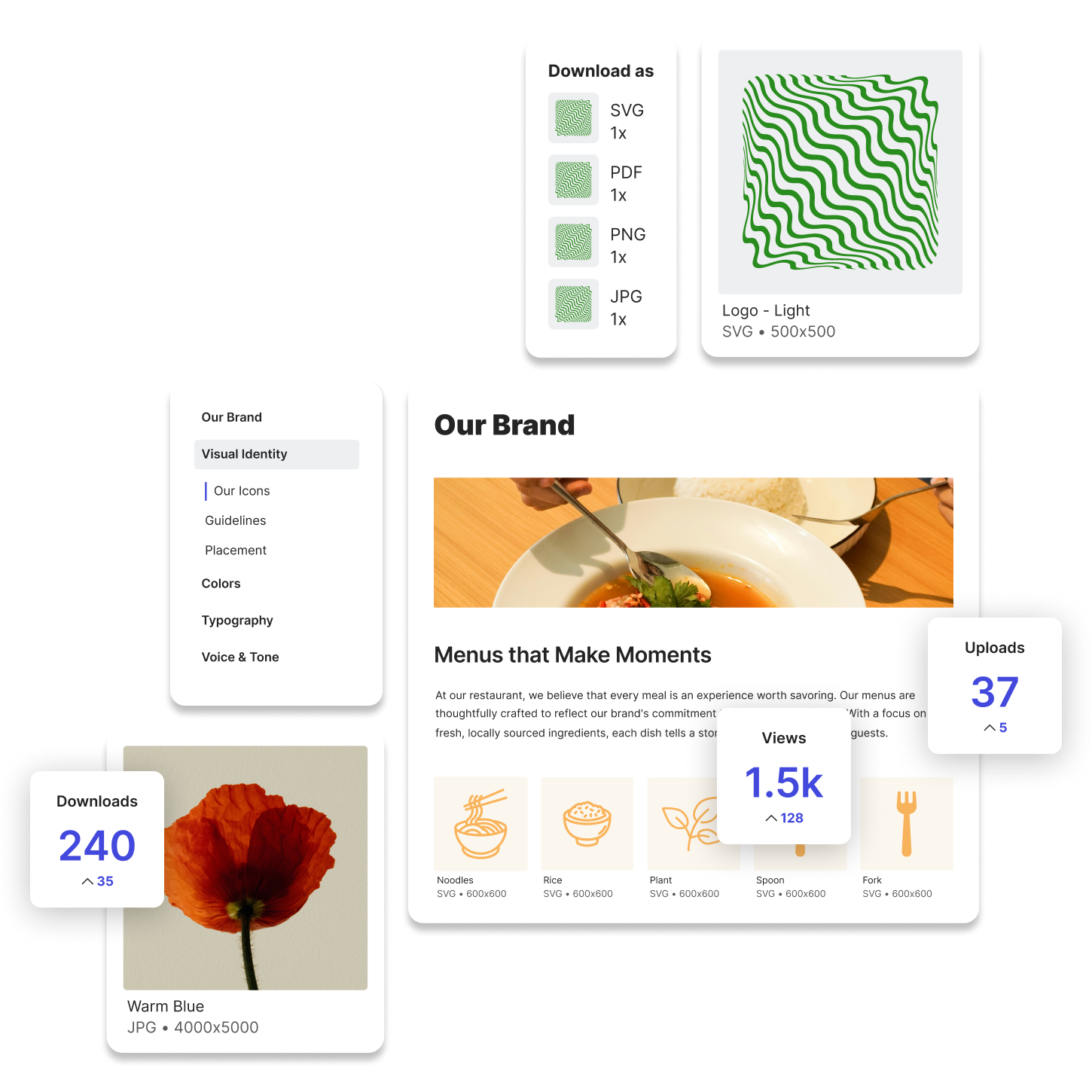
Campaigns require a mix of digital assets, including graphics, videos, social media posts, emails, and landing pages. Managing these assets efficiently ensures that the right materials are used at the right time. Many organizations rely on digital asset management (DAM) systems to store, organize, and distribute marketing content across teams.

An example of kits in Lingo storing social media content for Duolingo.
Campaigns are deployed across various platforms, such as email, social media, search engines, display advertising, and offline channels. Each channel requires tailored messaging and formats to maximize engagement.
Managing a campaign includes setting and monitoring budgets to ensure cost-effective spending. Marketers analyze past performance data to determine the best allocation of resources across different platforms.
Once a campaign is live, teams track key performance indicators (KPIs) such as click-through rates, conversion rates, engagement levels, and marketing return on investment (ROI). Monitoring these metrics helps identify what is working and what needs improvement.
Based on performance data, marketers make adjustments to optimize campaigns. A/B testing different ad creatives, adjusting messaging, or reallocating budget to high-performing channels can improve results over time.
A well-structured campaign ensures that marketing efforts are aligned with overall business objectives, whether it’s increasing brand visibility, acquiring new customers, or driving revenue growth.
Managing a campaign involves multiple moving parts. Without a structured approach, campaigns can become disorganized, leading to missed deadlines, inconsistent messaging, or wasted resources. A strong campaign management system keeps everything on track.
Targeted and well-executed campaigns help brands connect with their audiences in meaningful ways. By delivering the right message at the right time, businesses can improve customer relationships and increase engagement rates.
Tracking and analyzing campaign performance helps marketers allocate resources more efficiently, reducing wasted ad spend and maximizing the impact of their efforts. Optimizing campaigns based on real-time data ensures better results.
As technology evolves, campaign management is becoming more data-driven and automated. Artificial intelligence is playing a growing role in personalizing content, optimizing ad placements, and predicting customer behavior. Marketing teams that embrace AI-powered analytics, real-time engagement tracking, and cross-channel integration will have a competitive advantage.
The demand for seamless digital experiences also means that marketing campaigns must be more adaptive and dynamic. Businesses that leverage automation, AI-driven insights, and centralized asset management will be able to execute campaigns more efficiently while maintaining brand consistency across all channels.