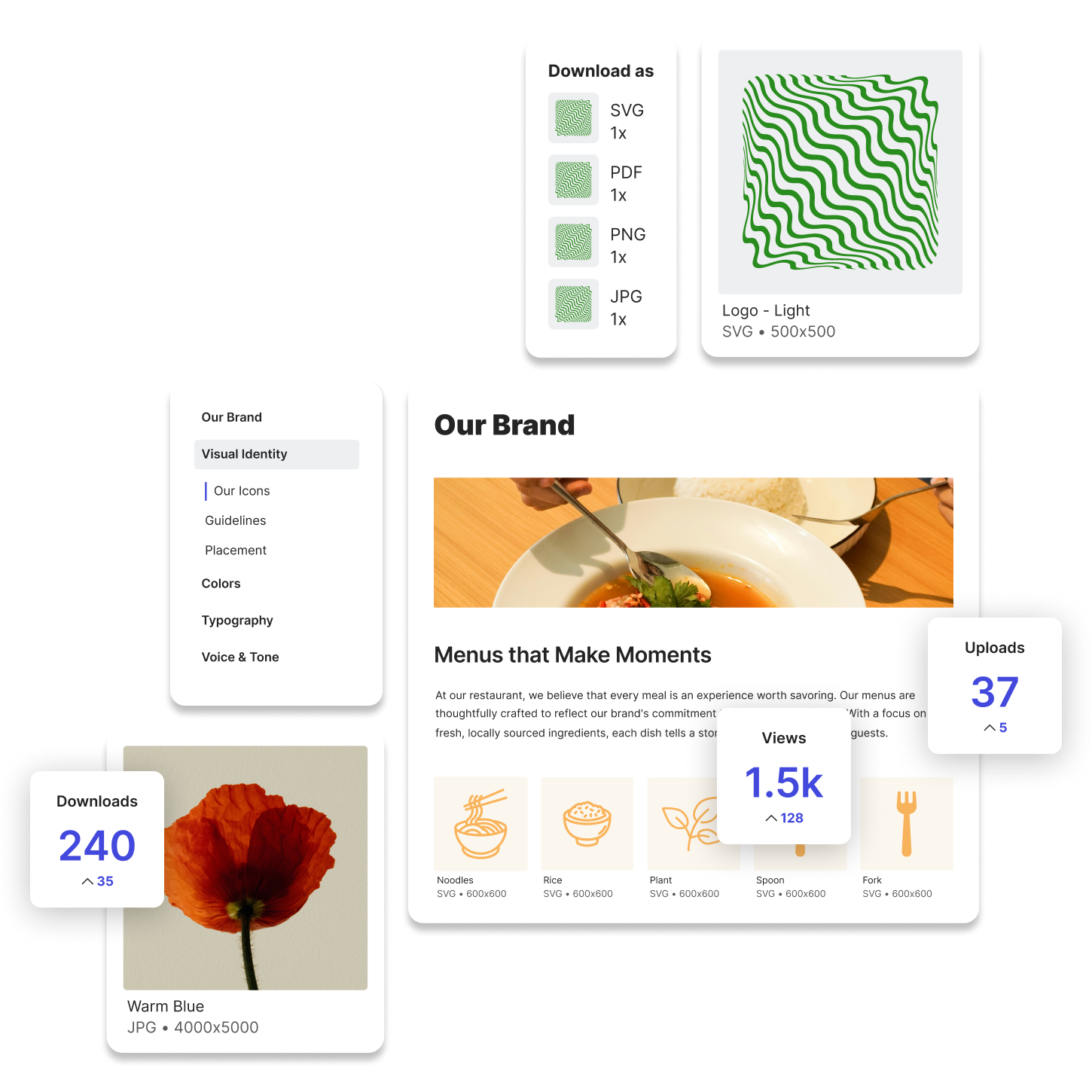
What is a Digital Experience?
A digital brand experience refers to the interactions a user has with a brand, product, or service through digital channels such as websites, mobile apps, social media, and online customer support. It encompasses every touchpoint where users engage with a company in a digital space, influencing their perception of the brand and shaping their overall customer journey.
Businesses invest in digital experiences to create seamless, engaging, and intuitive interactions that enhance customer satisfaction and drive business growth. A strong digital experience ensures that customers can easily navigate a website, access support when needed, and receive personalized recommendations, all of which contribute to brand loyalty and conversion rates.
Key Elements of a Digital Experience
User Interface (UI) and Design
A well-crafted digital experience begins with an intuitive and visually appealing design. Clear navigation, readable typography, and responsive layouts ensure that users can interact with content effortlessly across different devices. A poor UI can lead to frustration, high bounce rates, and lost conversions, making design a crucial factor in customer engagement.
User Experience (UX) and Functionality
Beyond aesthetics, the usability of a digital platform determines whether users stay engaged. UX focuses on ease of use, accessibility, and logical content flow, ensuring that customers can complete actions, such as making a purchase or signing up for a service, without unnecessary friction. The goal is to make digital interactions smooth, efficient, and enjoyable.
Omnichannel Connectivity
Customers interact with brands through multiple digital touchpoints, from websites to social media, chatbots, and mobile apps. A seamless digital experience ensures that users can switch between channels without losing context or the user story. For example, a customer who starts an inquiry on a mobile app should be able to continue the conversation via email or live chat without repeating information.
Personalization and Customer Engagement
Modern digital experiences are highly personalized, adapting to user preferences, behavior, and past interactions. AI-driven recommendation engines, dynamic content, and targeted email campaigns allow brands to deliver relevant information and offers tailored to individual users. This level of personalization enhances engagement and increases the likelihood of conversions.
Performance and Speed
A digital experience must be fast and reliable. Slow-loading websites, unresponsive mobile apps, and technical glitches create friction that drives customers away. Businesses must invest in optimized performance, cloud infrastructure, and content delivery networks (CDNs) to ensure seamless digital interactions.
Security and Privacy
With growing concerns around data security, brands must prioritize secure digital experiences by implementing encryption, multi-factor authentication, and transparent data privacy policies. Customers are more likely to engage with brands that protect their information and build trust through ethical data practices.
Why Digital Experience Matters
Shapes Brand Perception and Loyalty
Customers form opinions about a brand based on their digital interactions. A smooth, engaging experience builds trust, while a frustrating one can drive potential customers away. Strategic brand management prioritizes digital experience enhance customer satisfaction and foster long-term loyalty.
Increases Conversions and Revenue
A well-optimized digital experience makes it easier for users to complete purchases, sign up for services, or engage with content, directly impacting revenue. Small improvements, such as a faster checkout process or clearer calls-to-action, can significantly boost conversion rates.
Provides a Competitive Advantage
In industries where products and services are similar, digital experience becomes a key differentiator. Businesses that invest in seamless navigation, AI-driven personalization, and omni channel accessibility stand out from competitors and attract more customers.
Supports Data-Driven Decision-Making
Digital platforms generate vast amounts of data on customer behavior, engagement levels, and pain points. Businesses can analyze these insights to refine their digital strategies, improve user experience, and tailor marketing campaigns to meet customer needs.
How to Improve Digital Experience
- Optimize website and mobile performance to ensure fast load times and seamless interactions.
- Invest in UX/UI design to create intuitive, visually appealing interfaces.
- Implement omni channel strategies so customers can interact across multiple platforms effortlessly.
- Leverage AI and automation to personalize content, recommendations, and customer support.
- Enhance data security and privacy measures to build trust with users.
- Continuously gather and analyze user feedback to identify areas for improvement.
The Future of Digital Experience
As technology evolves, digital experiences will become even more immersive and personalized. Augmented reality (AR), voice interfaces, AI-driven interactions, and real-time data analytics will shape the next generation of customer engagement. Businesses that stay ahead of these trends will create frictionless, memorable digital experiences that keep customers engaged and loyal in an increasingly digital-first world.
Try Lingo for free.