Marketing Asset Management: Organizing and Optimizing Brand Content for Maximum Impact
What is Marketing Asset Management?
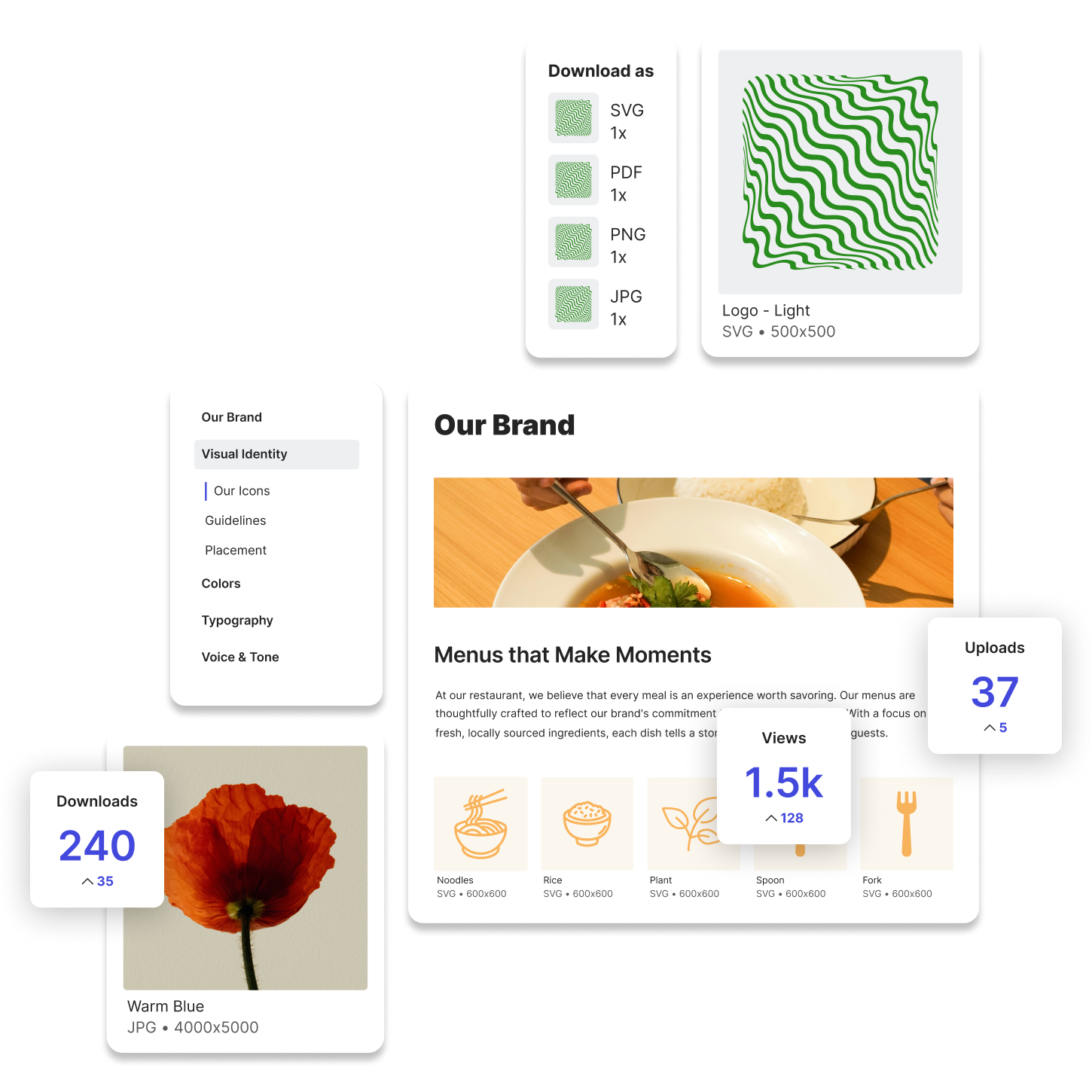
Marketing asset management (MAM) is the strategic process of storing, organizing, distributing, and tracking marketing-related digital assets such as images, videos, brand guidelines, presentations, and promotional materials. It ensures that marketing teams, designers, and external partners have quick access to the right content while maintaining brand consistency across all campaigns and channels.
Unlike basic file storage solutions, MAM involves structured workflows, approval processes, metadata tagging, and integration with marketing tools to streamline content creation and asset deployment. A well-managed MAM system allows businesses to maximize the value of their creative assets, prevent duplication, and accelerate campaign execution.
How Marketing Asset Management Works
Marketing teams produce and use a high volume of digital assets across multiple platforms, from social media to email campaigns, websites, and print materials. Without an organized system, teams often struggle with file versioning issues, misplaced assets, and unauthorized use of outdated content.
Marketing asset management provides a centralized repository where teams can store and retrieve approved assets efficiently. This involves:
- Metadata tagging and categorization to make searching for assets easier.
- Version control to track edits and updates to ensure that only the latest, approved versions are used.
- Access permissions to regulate who can view, download, or modify files.
- Integration with marketing tools to enable seamless asset distribution across advertising platforms, email marketing software, and websites.
By implementing MAM, businesses can reduce content production bottlenecks, maintain brand consistency, and improve collaboration across departments.
Why Marketing Asset Management Matters
1. Maintains Brand Consistency Across Channels
Marketing campaigns require cohesive visuals, messaging, and formatting. With MAM, teams can ensure that everyone, from internal marketers to external agencies, uses the correct logos, fonts, images, and templates for a unified brand experience.
2. Speeds Up Campaign Execution
A well-organized asset library means marketers spend less time searching for files and more time executing campaigns. When assets are tagged, categorized, and accessible, teams can launch ads, update websites, and create social media content faster without unnecessary delays.
3. Prevents Asset Misuse and Compliance Issues
Using outdated, unauthorized, or incorrectly formatted assets can damage brand integrity and lead to compliance risks, especially in regulated industries. MAM systems enforce approval workflows and license tracking, ensuring that all assets are used correctly and within legal guidelines.
4. Improves Collaboration Across Teams
Marketing asset management eliminates silos between departments by providing a shared workspace for creative and marketing teams. Designers can upload new assets, marketers can access approved files, and leadership can review and approve content, all within the same system.
5. Maximizes the ROI of Marketing Content
Marketing teams invest significant time and budget in creating high-quality content. Without proper management, assets become underutilized or forgotten. MAM ensures that assets are repurposed across multiple campaigns and platforms, increasing their lifespan and return on investment.
How MAM Differs from Digital Asset Management (DAM)
While MAM and Digital Asset Management (DAM) systems share similarities, they serve different functions. MAM is specifically focused on organizing, managing, and distributing marketing-related assets, whereas DAM is a broader system for managing all digital files across an organization.
A MAM system typically:
- Focuses on marketing teams and creative workflows.
- Provides integrations with advertising, social media, and content management platforms.
- Includes campaign planning and asset tracking for marketing performance optimization.
A DAM system:
- Manages all brand assets across multiple departments.
- Supports creative, sales, HR, and product teams, not just marketing.
- Provides advanced rights management, metadata tagging, and asset versioning for large-scale content management.
- Can combine your photo management software, sales enablement software, and video content management into one digital brand hub.
Many organizations use both MAM and DAM systems together to manage brand assets efficiently across all departments while ensuring that marketing teams have the tools they need for agile campaign execution.
Best Practices for Marketing Asset Management
- Use a Centralized MAM Platform – Store and organize all marketing assets in one easily accessible location.
- Tag Assets with Metadata and Categories – Make content searchable by labeling assets with relevant keywords, descriptions, and campaign names.
- Implement Version Control – Track edits and maintain a history of asset updates to avoid outdated content usage.
- Set Up Access Permissions – Control who can view, edit, or share assets to prevent unauthorized changes or distribution.
- Integrate with Marketing and Design Tools – Connect MAM with social media schedulers, CMS platforms, and creative software for seamless content distribution.
- Audit and Clean Up Regularly – Remove redundant or expired assets to keep the asset library organized and up to date.
The Future of Marketing Asset Management
As digital marketing evolves, MAM systems are integrating with AI-powered automation, real-time collaboration tools, and predictive analytics to enhance asset optimization. Future trends include:
- AI-driven asset tagging to automate metadata categorization.
- Content performance tracking to measure how assets contribute to engagement and conversions.
- Personalized asset delivery for dynamic ad campaigns tailored to specific audience segments.
With increasing demand for high-quality, multi-channel content, marketing asset management will continue to play a crucial role in helping brands streamline content creation, improve team collaboration, and drive marketing success.
Try Lingo for free.