Digital Asset Management (DAM) for eCommerce retail is the structured organization, storage, access, and distribution of brand and product assets across digital channels. These assets include product images, promotional videos, lifestyle photography, packaging templates, seasonal campaign materials, and visual brand guidelines. For retailers, these digital assets are not peripheral. They are core to product discovery, conversion, and brand loyalty.
As digital storefronts and omnichannel strategies become the default, eCommerce teams need to manage an ever-growing volume of content across marketplaces, DTC sites, social ads, internal teams, and external partners. A cloud-based DAM becomes essential for delivering the right content in the right format to the right audience, consistently.
Retailers face content velocity that most industries do not. Products launch weekly, campaigns shift monthly, and promotions rotate with seasons. Assets get updated often, but they also must stay aligned with the brand. Without a system built for retail operations, teams fall into asset chaos.
Common challenges that drive eCommerce retailers to seek DAM platforms include:
Lingo addresses these problems directly by giving retail teams a way to organize, govern, and distribute brand and product assets with speed and clarity.
Lingo is purpose-built for teams who live in fast-moving creative environments. It gives retail organizations a cloud-based system that makes brand-approved content accessible, actionable, and consistently used.
Here’s how Lingo aligns with the operational needs of retail brands:
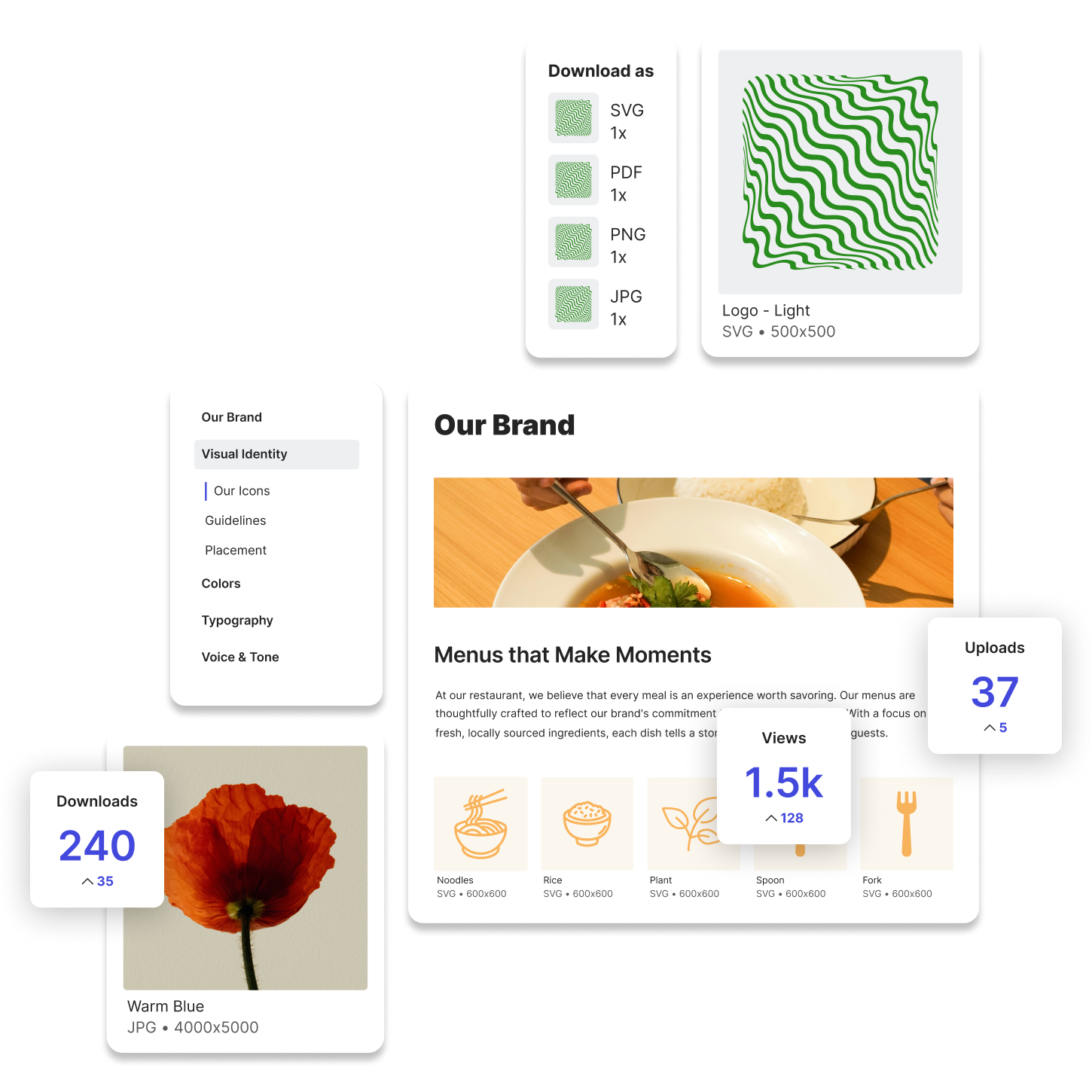
Lingo’s Kits and Galleries act as modular collections of assets. Each Kit can house product photography, lifestyle images, packaging templates, banners, and seasonal campaign visuals. These Kits are more than just folders. They are curated experiences that bring together content and context. And Galleries are curated by leveraging metadata, so that every time you tag an asset, it automatically appears in a Gallery.
For example, a retailer launching a summer collection can create a Kit that includes:
Metadata can be added to key assets to generate a view and create a Gallery, creating a look-book or even a product catalog directly within the Kit. And when you're done with it, Kit versioning allows you to retain historical versions but without access to the broader team.

This gives teams, partners, and vendors everything they need to activate the campaign without needing to submit additional requests.
Retailers often field dozens of internal and partner asset requests every week. Whether it’s store managers looking for promotional posters or social teams needing campaign assets, the drain on creative teams and creative ops burnout is real.
With Lingo, these stakeholders can access what they need, when they need it. Designers no longer have to dig through folders or resize files. Store associates no longer have to wait for asset approval. Your managers can easily whip up their own presentations. This autonomy increases speed to market and lowers internal dependency.
Lingo’s Portals allow eCommerce and brand managers to create custom, branded hubs for specific retail needs. Portals can group Kits together and be shared via secure or public links, depending on the audience.
Retail teams use Portals to:
Each Portal reflects the brand’s visual identity and organizes information in a clean, easy-to-navigate layout. This ensures brand fidelity without requiring technical onboarding.
Retailers cannot rely on static brand PDFs to ensure correct usage. Logos are resized incorrectly, product imagery is cropped poorly, and campaigns lose impact when assets are used inconsistently.
Lingo solves this by embedding brand guidelines directly into Kits. That means every asset can include annotations, usage instructions, or visual do's and don'ts. When someone downloads a hero image, they also understand how it should be used, what background to place it on, and what file format to choose.
Retailers constantly retire and replace assets. Old photos, outdated pricing graphics, and past-season banners clutter traditional storage tools. Lingo’s versioning, tagging, and visual search make it easy to keep the current assets accessible and outdated files archived or removed.
Teams can search by product name, tag (like “Fall 2024”), or file type. They can also filter Kits by department, campaign, or SKU range. This level of control means fewer errors and less time spent locating what’s needed.
With Lingo, the path from creative to campaign activation shortens. New product drops or promotions can be uploaded, organized, and shared in a fraction of the time it takes with traditional cloud storage. This agility is essential in retail where trends shift quickly and seasonal windows are tight.
Teams don’t have to create temporary folders or duplicate files for every request. They just point internal and external users to the appropriate Kit or Portal and let Lingo handle the structure.
Lingo was built for brands that are scaling but don’t need the complexity or cost of a enterprise digital asset management platform. Many eCommerce retailers fall into this category. They have big brand goals but lean teams and limited time. Lingo gives them enterprise-grade control with a user experience designed for speed and simplicity.
Lingo complements, not replaces, the retail tech stack. It integrates smoothly with design platforms like Figma, as well as productivity tools like Google Drive. This means creative teams can continue using their preferred tools while ensuring all final assets are centralized and brand-aligned in Lingo.
Outside of design integrations, Lingo can serve as a CDN with direct links to update all digital images at once. Simply swap out the image in Lingo’s Library and, if it is a direct link, it will automatically update across all platforms in which that image is hosted.
For retailers, this means a smoother workflow from design to deployment. Whether you’re pushing out a social ad, uploading product photos to Shopify, or briefing a third-party marketplace partner, Lingo ensures the brand shows up consistently and professionally.
Retail brands move fast. Their asset management system needs to keep up. Lingo gives eCommerce and retail teams a digital asset management solution that is visual, contextual, organized, and easy to use.
It’s not just about storing files. It’s about delivering campaigns faster, empowering teams with the right content, and keeping your brand visually aligned across every product, page, and partner.
That’s what DAM for retail should look like in eCommerce retail. And that’s exactly what Lingo delivers.