Why Athletic Departments Need Digital Asset Management
Digital asset management (DAM) for athletics is the process of organizing, storing, and distributing sports-related digital assets, such as team logos, photography, promotional materials, and branding guidelines. Athletic programs, professional sports teams, and college athletic departments rely on DAM systems to maintain efficient asset access, ensure brand consistency, and streamline media distribution.
Athletic directors, sports marketing teams, and media relations professionals use DAM platforms to quickly locate and share assets with sponsors, broadcasters, media outlets, and merchandise partners. Without a centralized system, teams risk outdated branding, mismanaged assets, and wasted time searching for files.
Why Digital Asset Management is Essential for Athletics
1. Centralized Storage for Team Assets
Athletic departments handle thousands of digital assets, including game-day photography, highlight reels, social media graphics, and promotional videos. A DAM system ensures all files are:
- Easily searchable with metadata, tags, and folders.
- Securely stored and accessible only to approved personnel.
- Version-controlled to prevent outdated or unauthorized asset usage.
2. Consistent Branding Across All Platforms
From press releases to merchandise, maintaining a consistent brand identity is critical for athletic organizations. A DAM platform ensures:
- Media partners always receive approved logos and access to an image asset library.
- Social media teams access on-brand graphics and video clips.
- Sponsorship and merchandise teams use up-to-date assets for promotions.
3. Quick and Controlled Asset Distribution
Athletic programs work with multiple external stakeholders, from journalists to sponsorship partners. A DAM system allows teams to:
- Grant media access to game-day images instantly after events.
- Share branded content with third-party sponsors while protecting licensing rights.
- Provide coaches, athletes, and alumni with personalized media kits.
Read how Texas A&M used Lingo to deliver internal and external asset requests on behalf of their athletic teams.
4. Faster Content Creation for Social Media and Marketing
In sports, timing is everything. A DAM system helps athletic departments:
- Pull real-time images for social media recaps and player highlights.
- Quickly access pre-designed templates for game announcements.
- Distribute branded video content to increase fan engagement.
How Lingo Supports Digital Asset Management for Athletics
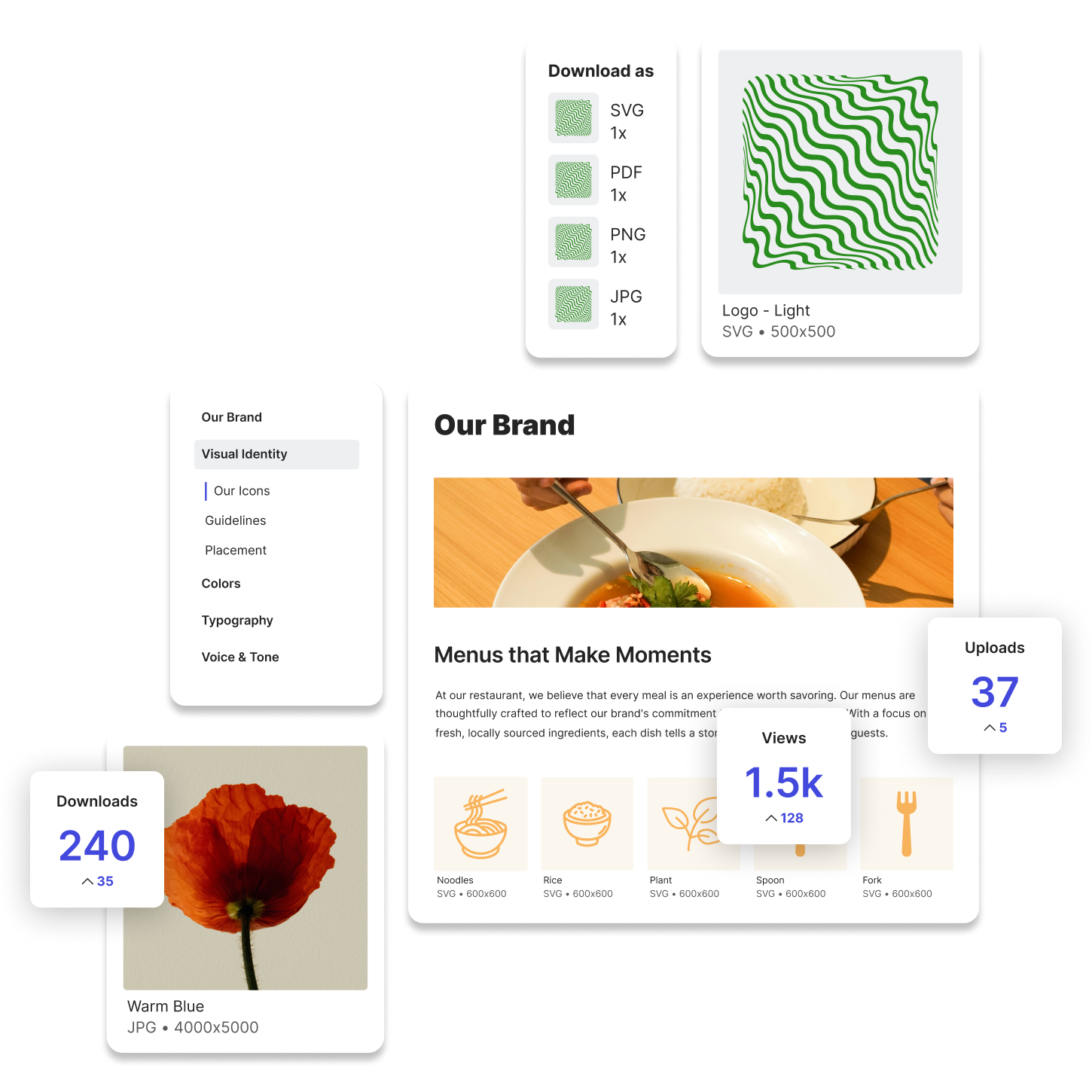
Lingo provides athletic departments with a streamlined, visual-first DAM solution that makes it easy to manage and distribute digital assets. Unlike traditional file management platforms, Lingo is designed for fast-moving teams that need immediate access to high-quality visuals and branding materials.
Try Lingo for free.