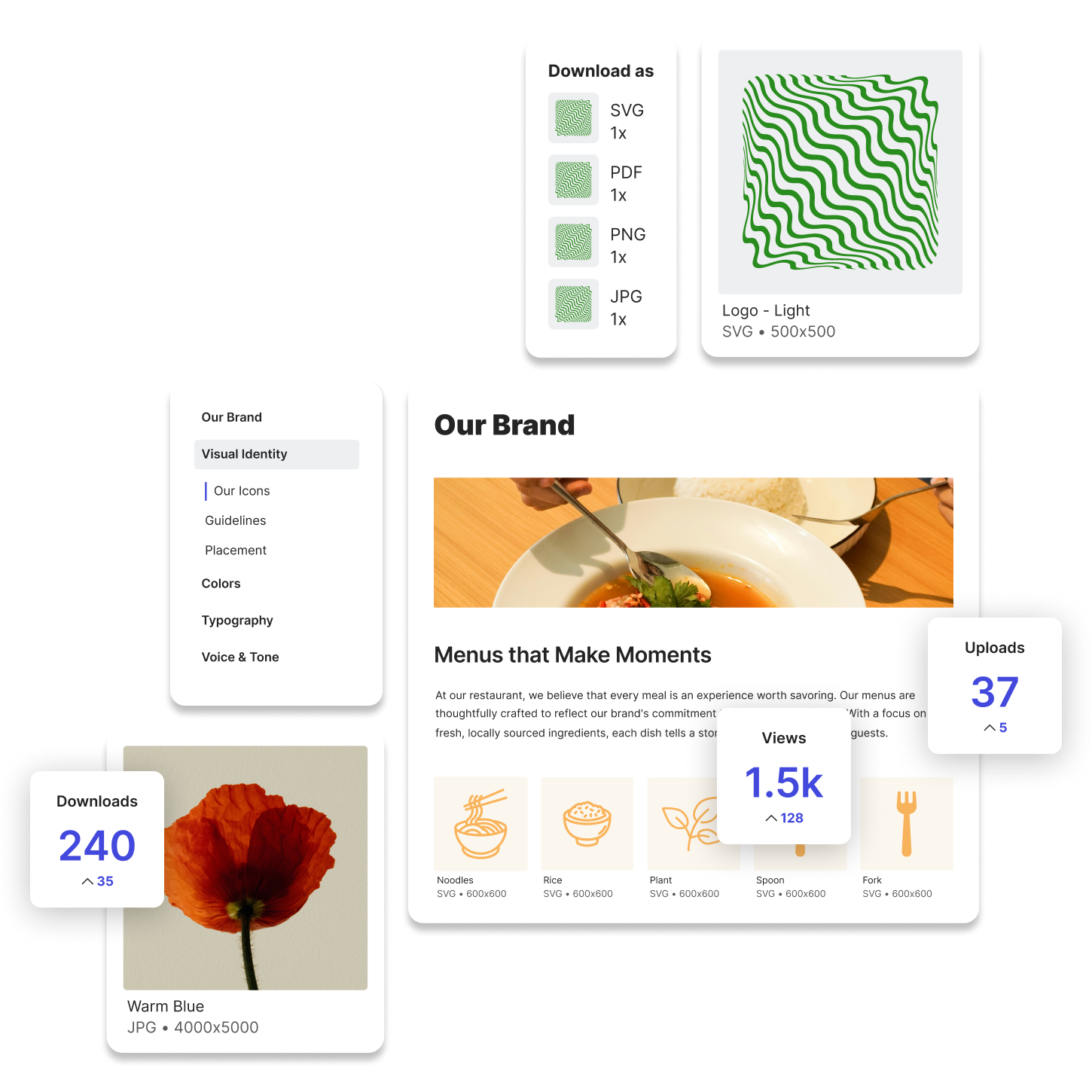
What is Content Experience?
Content experience refers to the way audiences interact with, consume, and engage with content across different platforms and touchpoints. It is more than just the content itself; it includes the design, structure, personalization, and usability of content, ensuring that it is accessible, engaging, and aligned with user expectations.
A well-crafted content experience enhances brand perception, audience engagement, and conversion rates, making it a critical part of modern content marketing strategies.
Key Elements of a Strong Content Experience
1. Accessibility and Ease of Navigation
Content should be easy to find, read, and interact with. Poor navigation or cluttered design discourages users from engaging further.
- Websites should have clear content organization with logical navigation.
- Blogs, articles, and resources should be searchable and categorized effectively.
- Mobile-friendliness and fast load times enhance usability.
2. Visual Presentation and Design
How content looks impacts engagement and comprehension. A well-designed content experience includes:
- A clean, uncluttered layout that improves readability.
- High-quality images, videos, and interactive elements to make content more engaging.
- A consistent brand aesthetic that reinforces trust and professionalism.
3. Personalization and Relevance
Personalized content increases engagement by catering to individual interests and behaviors.
- Dynamic content that adjusts based on user preferences or past behavior.
- Segmented email marketing with tailored recommendations.
- AI-driven content suggestions that keep users engaged longer.
4. Multi-Channel Consistency
Content should provide a seamless experience across websites, social media, emails, and mobile apps.
- A blog post should translate easily into a social media thread or video.
- A brand’s tone, messaging, and visuals should remain consistent across all platforms.
5. Engagement and Interactivity
Content experiences should encourage interaction rather than passive consumption.
- Interactive quizzes, polls, or surveys.
- Clickable infographics and explorable case studies.
- Video content with embedded CTAs for deeper engagement.
Why Content Experience Matters
Enhances Brand Perception
A polished content experience signals professionalism and credibility, making audiences more likely to trust and engage with the brand.
Increases Content Engagement and Retention
Users are more likely to stay engaged when content is visually appealing, easy to navigate, and personally relevant.
Boosts Conversions and Customer Loyalty
A strong content experience guides users naturally toward desired actions, whether that’s subscribing, purchasing, or sharing content with others.
Supports SEO and Organic Discoverability
Google favors well-structured, user-friendly content, making content experience a crucial factor in search rankings and organic reach.
How to Improve Content Experience
- Audit existing content to identify usability issues or engagement gaps.
- Ensure mobile optimization for all content formats.
- Use data-driven personalization to deliver relevant content to different audience segments.
- Incorporate interactive and multimedia elements to keep users engaged.
- Maintain brand consistency across all content distribution channels.
The Role of Content Experience in Modern Marketing
Content experience is more than just the information presented, it is about how that content is structured, designed, and personalized to create a meaningful journey for users. Brands that prioritize a seamless, engaging content experience will see higher engagement, stronger brand loyalty, and improved business results.
Try Lingo for free.