Content Creation Platform: What You Need to Know
What is a Content Creation Platform?
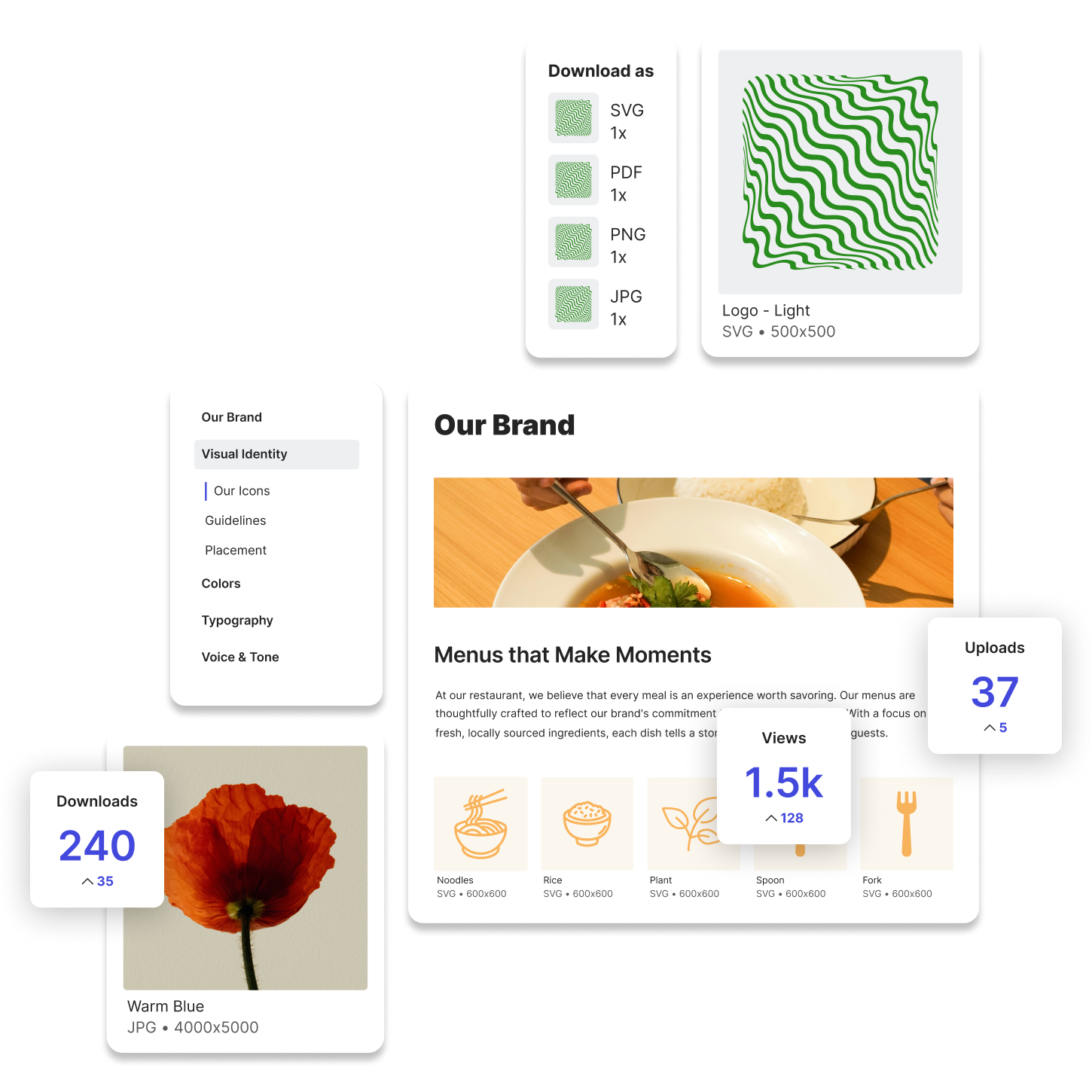
A content creation platform is a software tool or suite of tools that enables individuals and teams to create, edit, and manage digital content efficiently. These platforms support the creation of various content types, including written content, graphics, videos, social media posts, presentations, and more.
Why Are Content Creation Platforms Important?
Q: How do content creation platforms streamline the content process?
A: They centralize content production, offering templates, design tools, collaboration features, and asset libraries. This makes it easier to create professional-quality content without relying on multiple disconnected tools.
Q: Who uses content creation platforms?
A: These platforms are used by marketers, designers, social media managers, content creators, and businesses looking to produce and distribute branded content efficiently.
Q: What are some common features?
A: Most content creation platforms include:
✔ Drag-and-drop design tools for graphics and presentations.
✔ AI-powered writing assistants to help generate copy.
✔ Video and image editing tools for polished multimedia content.
✔ Collaboration and workflow management for team-based content production.
✔ Integration with social media and marketing automation tools.
Types of Content Creation Platforms
What Are the Benefits of Using a Content Creation Platform?
1. Saves Time and Boosts Efficiency
Instead of switching between multiple tools, content creators can use one platform for everything, from ideation to publishing.
2. Improves Brand Consistency
With pre-designed templates, brand color palettes, and asset libraries, teams can ensure their content stays on-brand and professional.
3. Enhances Collaboration
Cloud-based platforms allow multiple team members to work on content simultaneously, leave comments, and track revisions in real time.
4. Lowers Production Costs
Many platforms offer affordable subscription plans or free versions, reducing the need for expensive software or outsourcing design work.
How to Choose the Right Content Creation Platform
- Define your content needs – Do you need graphic design, video editing, writing assistance, or a combination?
- Consider ease of use – Some platforms cater to beginners, while others have advanced features for professionals.
- Check for integrations – Make sure the platform works with your existing tools, such as social media schedulers or cloud storage.
- Look for collaboration features – If working in a team, choose a platform with real-time editing and feedback options.
The Future of Content Creation Platforms
As AI and automation continue to advance, content creation platforms are becoming smarter, faster, and more intuitive. Expect to see:
✔ More AI-generated content capabilities for writing, design, and video editing.
✔ Greater automation in publishing and content distribution.
✔ Better personalization tools that tailor content to specific audiences.
Final Thoughts
A content creation platform is an essential tool for modern businesses and creators, helping streamline content production, maintain brand consistency, created brand recognition, and improves team collaboration. Choosing the right platform depends on your specific needs, budget, and the type of content you create most often.
Try Lingo for free.