Brand Values: The Principles That Shape Your Brand Identity
Every brand stands for something. Whether it is innovation, inclusivity, reliability, or creativity, these beliefs influence how the brand shows up in the world. These guiding principles are known as brand values, and they serve as a foundation for how a company speaks, acts, and designs. More than just internal statements, brand values affect real creative decisions, including the words in a product video to the tone of a social campaign.
As your company grows, your brand values act like a compass. They help ensure that every campaign, asset, and message feels connected, consistent, and true to your identity.
What Are Brand Values?
Brand values are the non-negotiable beliefs or ideals that guide a company’s behavior and decision-making. These are not just taglines or mission statements. They reflect what the company cares about most and how it chooses to engage with its audience, employees, and the world around it.
Common brand values might include:
- Authenticity
- Transparency
- Innovation
- Diversity and inclusion
- Sustainability
- Customer-first mindset
- Creativity
- Accountability
Strong brand values serve as a filter for creative and strategic decisions. If a campaign idea or messaging concept does not align with your values, it likely should not move forward.
How Brand Values Show Up in Your Work
Even though brand values are not always visible as standalone elements, they influence the look, feel, and tone of your brand content. For example:
- A brand that values inclusivity will feature diverse people in photography and use inclusive language in copy
- A brand focused on innovation may choose clean, minimal design with forward-thinking messaging
- A sustainability-first company might avoid excessive packaging and use earth-toned design cues or natural imagery in marketing materials
Brand values often shape the subtleties of brand expression. They inform tone of voice, photography direction, partnership choices, and the language used in product naming or support documentation.
When used intentionally, brand values help your audience feel a deeper sense of trust. They create consistency not just in visuals, but in character.
Where Brand Values Fit in a DAM Like Lingo
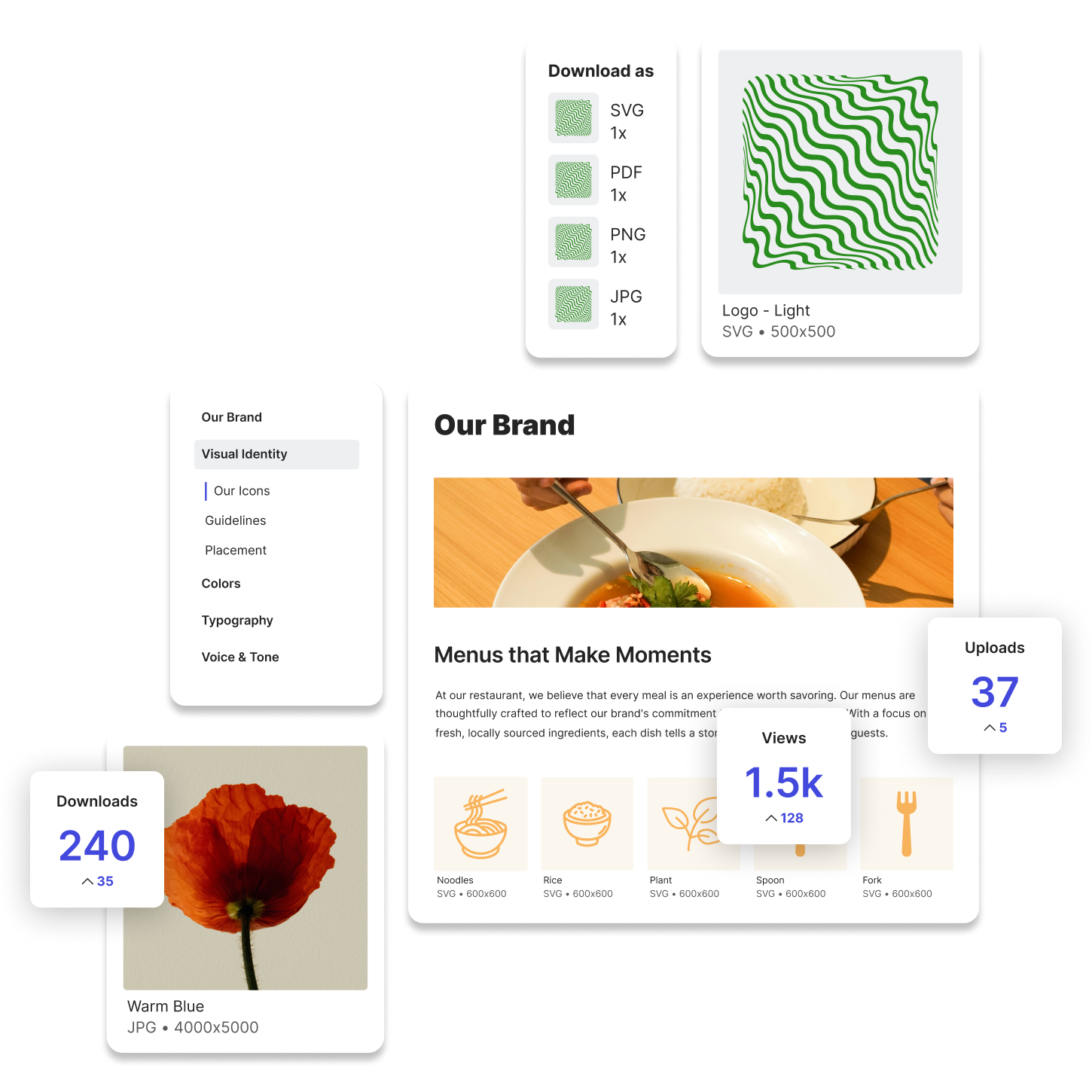
Digital asset management tools are usually focused on the tangible side of branding—logos, templates, images, and files. But the best DAM systems also provide space for storytelling, guidance, and context. That is where brand values come in.
In Lingo, brand values can be embedded directly into the user experience. You might include them in:
- A welcome section of your brand portal
- Introductory notes inside specific kits
- Naming conventions or taglines built into templates
- Content examples that reflect tone or visual style
- Style guidance that helps users align creative choices with core principles
Rather than treating brand values as something abstract, Lingo allows you to connect them with the actual assets teams are using. When values live in the same space as creative tools, they are more likely to be seen, remembered, and followed.
Real-World Example: How Brand Values Guide Asset Use
A fast-growing wellness brand using Lingo placed their brand values in accessibility, empowerment, and transparency at the center of their creative strategy. These principles informed everything from copywriting style to photography direction.
Inside their Lingo portal, each campaign kit included a short note about how that project aligned with the brand values. For example, a social campaign around customer testimonials included imagery that emphasized authenticity and used language written in a supportive, encouraging tone.
Templates for packaging and promotions were tagged with notes reminding users to avoid overly polished or exclusive imagery, in favor of real, relatable moments. Because this guidance lived inside the same portal as the assets, team members across departments could reference it without needing to consult a separate brand book.
This approach helped the brand maintain a cohesive voice and visual identity, even as new contributors joined the team and content volume increased.
Best Practices for Communicating Brand Values Through Your DAM
Make values visible
Include a simple statement of brand values at the start of your portal or inside key asset kits. Use plain, relatable language and reinforce them often.
Pair values with examples
Show what values look like in action. Include sample copy, microcopy, layout examples, or campaign references that reflect your tone or beliefs.
Align values with asset structure
If your brand emphasizes sustainability, prioritize assets and templates that reflect that in color, texture, and messaging. If community is a core value, include photography that tells a people-first story.
Use values as a review filter
When uploading new templates or visuals into your DAM, ask whether they align with your brand values. If not, revise or reframe them before sharing with teams.
Encourage adoption with context
When people understand the “why” behind creative rules, they are more likely to follow them. Add short notes or descriptions to assets that explain how they reflect brand values.
Why Brand Values Matter for Creative Teams
Brand values are often seen as high-level strategy, but they matter deeply to designers, writers, marketers, and anyone building brand experiences. Values give your team a framework for creative decisions. They help content feel more intentional and aligned, especially when multiple people or departments are creating at once.
In a digital asset management system like Lingo, brand values can live directly inside the creative workflow. They are no longer a one-pager shared during onboarding. They become part of the daily choices teams make, influencing everything from template selection to tone of voice.
When brand values are embedded in the tools your team uses, the result is more thoughtful, consistent, and trustworthy content—content that doesn’t just look good, but feels aligned with who you are as a brand.
Try Lingo for free.