What is a B2B Content Marketing Strategy?
A B2B content marketing strategy is a structured approach to creating, distributing, and optimizing content to attract and engage business buyers. Unlike B2C content marketing, which targets individual consumers, B2B strategies focus on educating, informing, and building trust with decision-makers in other businesses.
A well-executed B2B content marketing strategy helps companies generate leads, nurture prospects, and establish authority in their industry. By delivering valuable content across various channels, businesses can support the buyer’s journey, from initial awareness to final purchase.
Key Components of a B2B Content Marketing Strategy
1. Understanding the Target Audience
B2B buyers have specific pain points, needs, and decision-making processes. A strong strategy starts with defining buyer personas, identifying industry challenges, and mapping content to different stages of the sales funnel.
2. Content Types and Formats
B2B marketing relies on a mix of educational and thought-leadership content, including:
- Blog posts and long-form guides that address industry trends.
- Whitepapers and case studies that showcase expertise and results.
- Webinars and video marketing that explain complex concepts visually.
- Email newsletters that nurture leads with relevant insights.
3. SEO and Content Distribution
Optimizing content for search engines ensures that potential buyers can find valuable information when researching solutions. A B2B content marketing strategy includes keyword research, internal linking, and promotion across LinkedIn, industry forums, and email campaigns.
4. Lead Generation and Nurturing
Content plays a crucial role in converting visitors into leads. Strategies include offering gated content, using retargeting ads, and nurturing prospects with personalized email sequences.
5. Performance Measurement and Optimization
Tracking metrics such as organic traffic, engagement rates, and conversion rates helps marketers refine their content strategy. Tools like Google Analytics, HubSpot, and LinkedIn Insights provide data to improve future content efforts.
Lingo and B2B Content Marketing Strategy
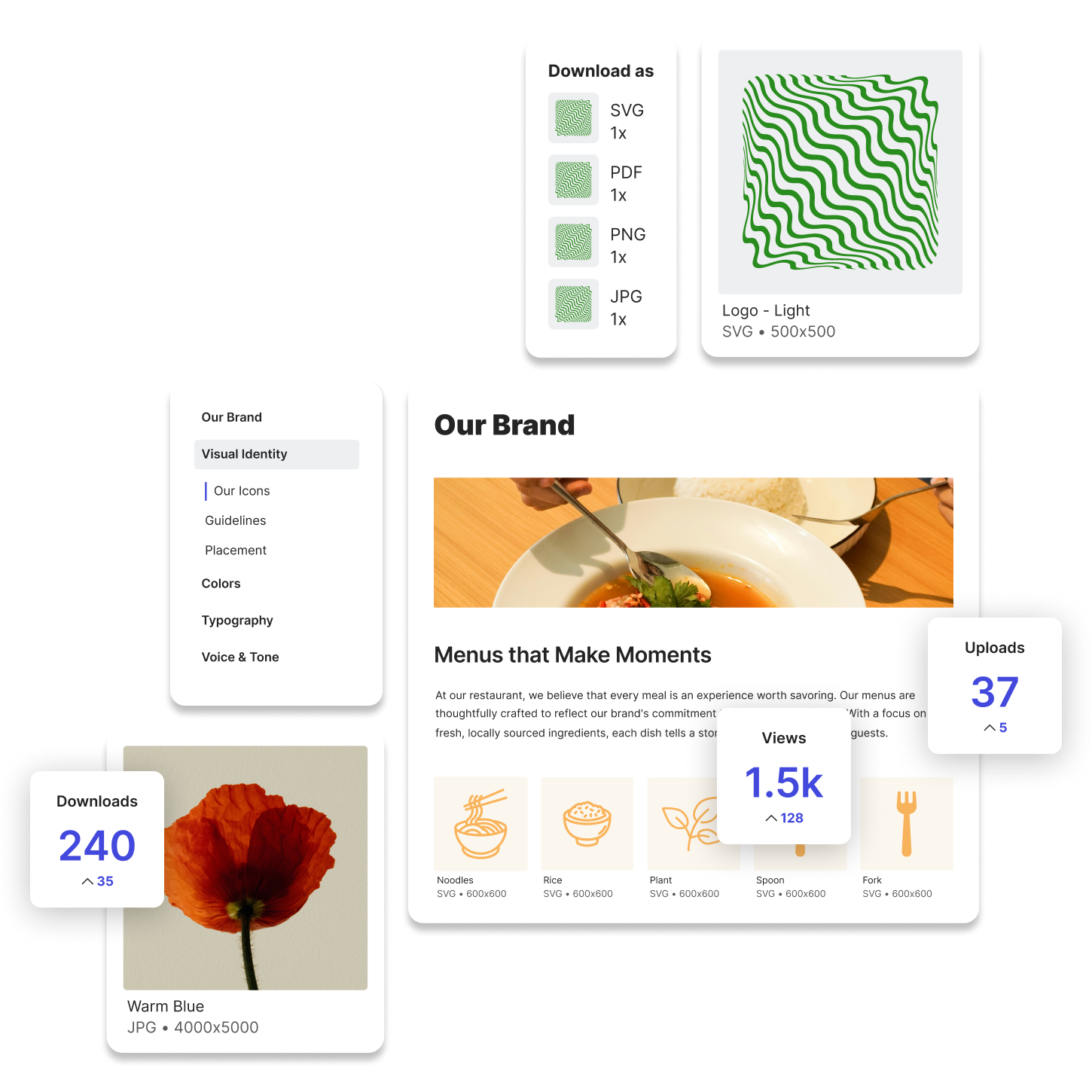
For brands managing extensive creative assets, a well-organized digital asset management (DAM) system like Lingo supports B2B content marketing efforts by ensuring that teams can quickly access, resize, and distribute content.
Lingo helps marketing teams:
- Maintain brand consistency by storing approved content assets.
- Optimize workflows by streamlining content collaboration.
- Ensure teams always have the right file formats for various distribution channels.
By integrating Lingo’s asset library into their content marketing strategy, B2B teams can focus on creating high-value content instead of searching for misplaced assets.
Here at Lingo, our marketing team not only uses the asset library to find product-specific images, but it’s also how we store and share blog content for the team.
Try Lingo for free.