What is an Asset Library?
An asset library is a centralized repository where digital assets, such as images, videos, brand guidelines, and design files, are stored, organized, and managed for easy access. Businesses, creative teams, and marketing departments rely on asset libraries to maintain brand consistency, improve workflow efficiency, and ensure that the right files are always accessible.
As digital content needs grow, managing assets effectively becomes more complex. Without an organized asset library, teams struggle with scattered files, outdated versions, and lost time searching for the correct materials. A well-structured asset library eliminates these pain points by ensuring every asset is easy to find, share, and repurpose.
Why Are Asset Libraries Essential?
A well-managed asset library is more than just a collection of files. It is a powerful system that supports brand integrity and collaboration. Here’s why businesses and creative professionals rely on them.
Organization and Searchability
Asset libraries allow users to categorize files with metadata, tags, and folders, making it easy to locate assets quickly. Instead of sifting through email attachments or multiple cloud drives, users can search by keyword, file type, or project name to find what they need.
Version Control and Brand Consistency
Marketing and design teams must ensure they are using the latest approved assets. An asset library prevents outdated logos or incorrect color palettes from slipping into campaigns by storing only the most up-to-date files.
Collaboration and Accessibility
A centralized asset library enables teams, whether in the office or remote, to access and share files effortlessly. Cloud-based asset libraries, like Lingo, allow global teams to work with the same approved assets without file transfer delays or compatibility issues.
Efficiency and Workflow Optimization
By eliminating repetitive file requests and reducing time spent searching for assets, teams can focus on higher-value work. An organized asset library integrates seamlessly into marketing and creative workflows, ensuring that assets are always ready for deployment.
Lingo’s Asset Library: A Better Way to Organize Brand Assets
Lingo is designed to take the chaos out of digital asset management. Unlike traditional file storage solutions that act as static folders, Lingo’s asset library is built specifically for brand and creative teams to ensure seamless organization, access, and sharing.
How Lingo’s Asset Library Works
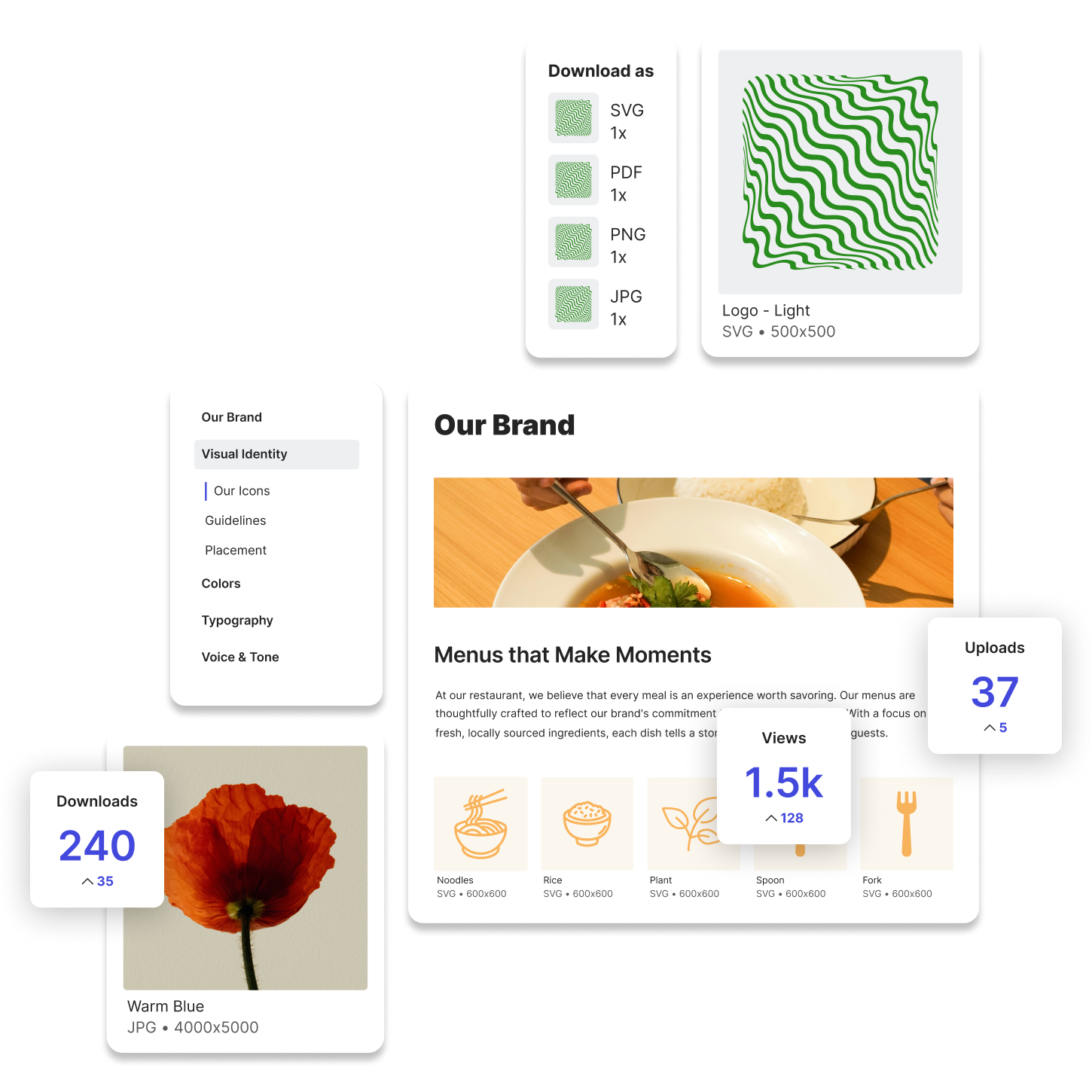
- Assets are displayed in an intuitive, visual format, so you do not have to open each file to see what it is.
- Smart search and tagging allow users to quickly locate assets by keywords, colors, file type, or other metadata.
- Automatic file conversion enables teams to transform files into the right format on the fly without needing extra tools.
- The platform keeps the most up-to-date brand elements front and center, ensuring teams use the correct logos, fonts, and colors.
- Sharing and permission controls prevent unauthorized use or accidental modifications of important assets.
For brands managing complex design systems, Lingo’s asset library is more than just a storage solution. It is a dynamic tool that empowers teams to work smarter.
Try Lingo for free.