Edward Boatman • May 6th
Chelsey Scott has spent nearly a decade watching the cannabis industry grow from the inside. Since 2017, she has navigated almost every corner of the retail ecosystem, moving from the front lines as a budtender to the high-stakes world of compliance and operations as an Agent in Charge. Today, she is a free agent looking for her next big challenge, bringing with her a decade’s worth of institutional knowledge about how a product actually moves from a delivery truck to a consumer’s shopping cart in the cannabis space.
In Chelsey’s experience, the most critical mile of that journey is the digital transition from the wholesale manifest to the retail menu. While brands spend months perfecting their aesthetic, that intentionality often hits a wall in the dispensary back office. For the people managing inventory, a brand’s assets are only as valuable as they are accessible. As Chelsey puts it, "It's a lot of manpower... nothing's really automated as well as it could be.”
Most brand managers assume their job is finished once a manifest is signed. For an operations specialist like Chelsey, that is exactly when the digital ghost hunt begins. The core of her workflow involves moving high-fidelity data through a fragmented ecosystem of platforms that often refuse to speak to one another.
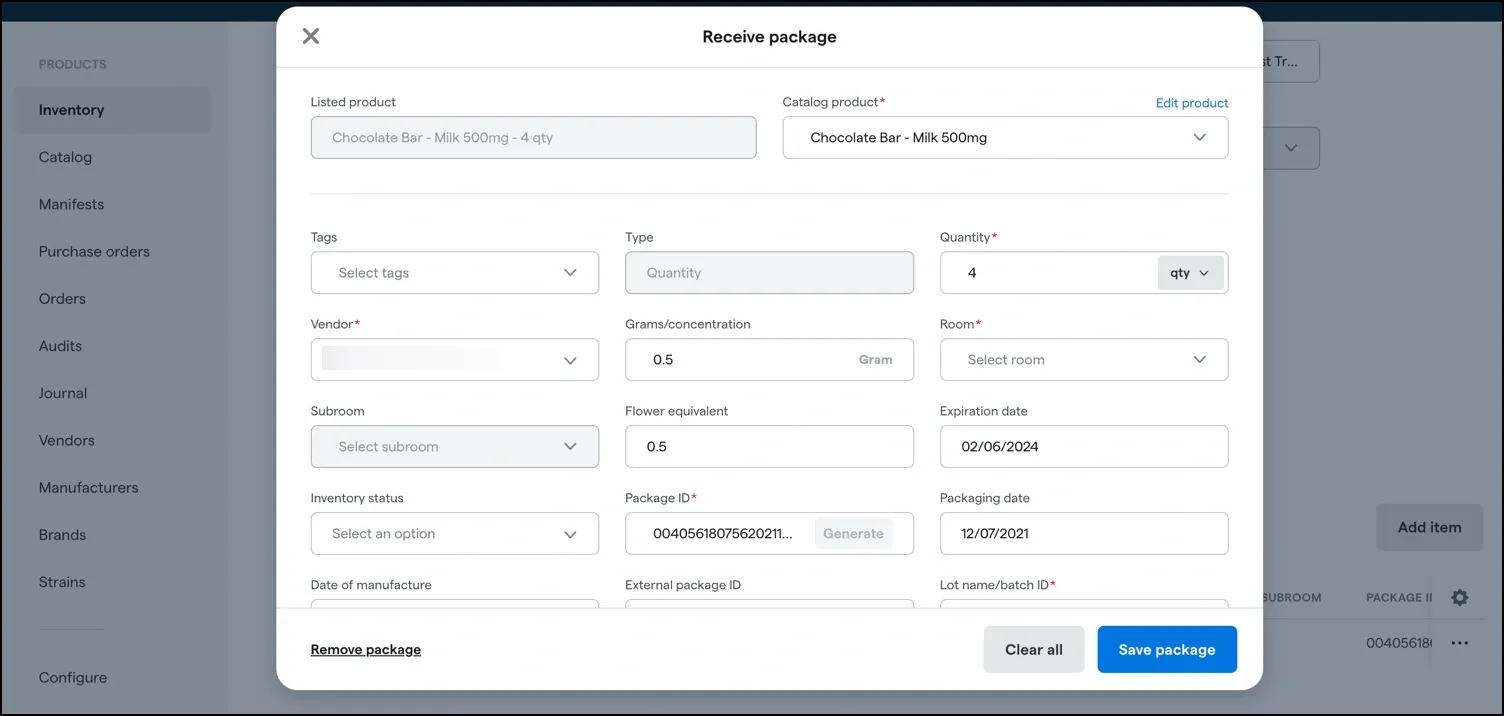
Image courtesy of Dutchie
This redundancy creates a daily tax on a dispensary's time. Data must be meticulously tracked in Metrc for state compliance, then manually bridged into point of sale systems like Dutchie and Jane. Because these systems do not always sync, inventory managers are often forced to manually input cannabinoid profiles, testing numbers, and product descriptions for every single SKU.
Chelsey explains the manual nature of the work: "The descriptions aren't always there. We have to manually update testing numbers... it's a lot of just us filling in information ourselves.”
When a brand fails to provide easily digestible data, the gatekeeper in the back office faces a difficult choice. They can spend ten minutes hunting for the information on Google or they can leave the digital listing incomplete. In a fast paced retail environment, incomplete often wins by default.
In a strictly regulated market like Illinois, operational mistakes have high stakes consequences. Chelsey notes that inventory is counted and tracked at least once a day, with variances requiring immediate attention. "Discrepancies have to be monitored daily and must be resolved within 48 hours of being found," she notes, emphasizing the constant pressure to maintain perfect records.
This ticking clock is why data integrity is paramount. Monthly visits from state authorities ensure that every label matches the lab information exactly. If the information on the retail label including the packaging date or the specific terpene profile does not align with the centralized truth in Metrc, the product is non-compliant and cannot be sold.
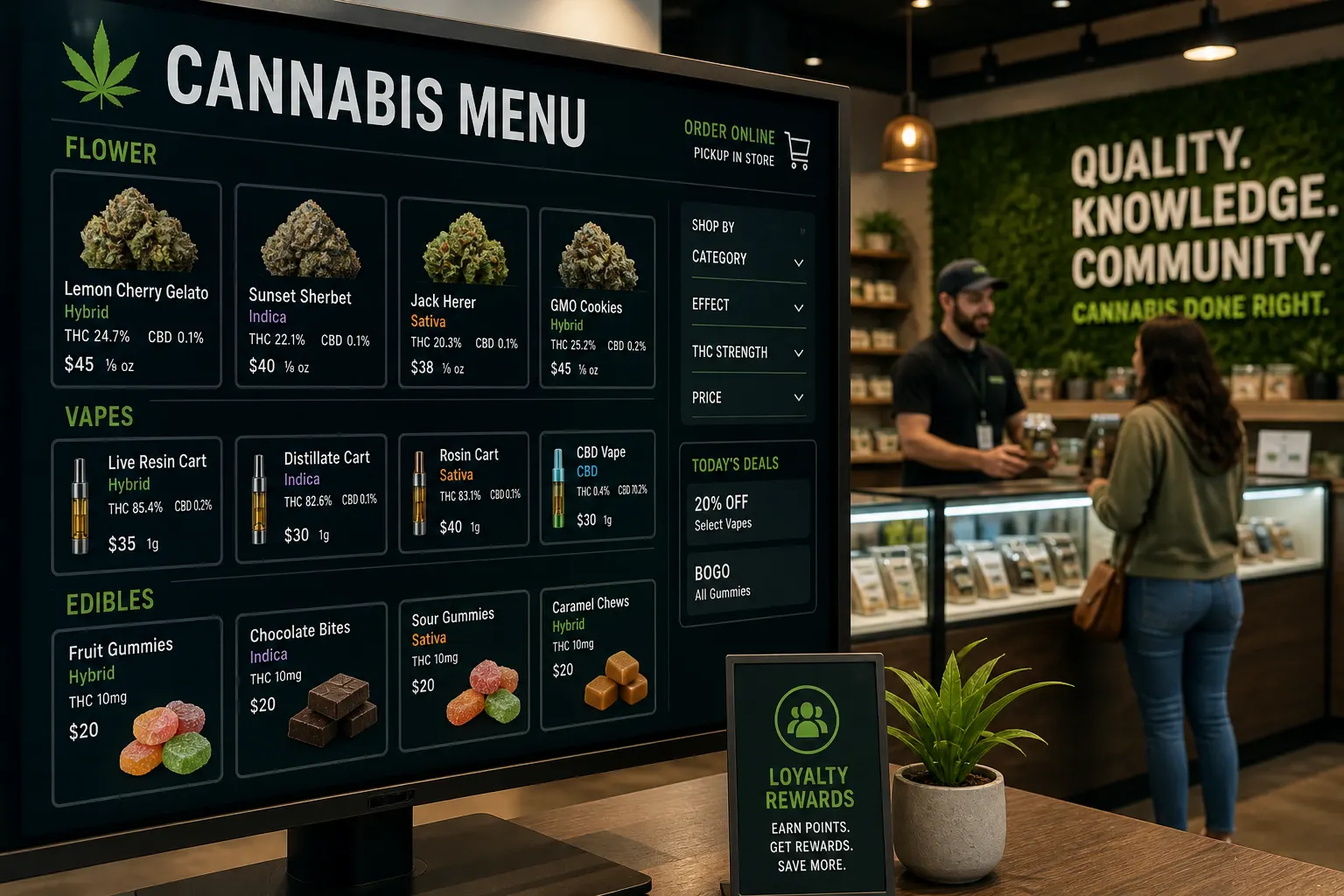
When a digital menu is missing vital details like lineage or minor cannabinoids, it inadvertently trains consumers to shop based solely on price and THC percentage. Chelsey fights this race to the bottom by manually filling in the soul of a strain, focusing on the genetics and terpene profiles that define how a product actually makes a consumer feel.
However, this work is labor intensive. Chelsey and her team have spent at least two hours a day per location auditing menus to ensure the e-commerce listing accurately reflects the inventory available in the vault. As she observes, "Each company has their own way of doing things, and therefore, each website is different... including product information.” When brands provide a curated source of truth that includes text searchable data rather than just static PDFs, they empower managers like Chelsey to represent the brand accurately and efficiently.
To survive the day to day operational grind, Chelsey relies on systems that prioritize clarity over volume. For brands looking to win over dispensary gatekeepers, she offers several tactical improvements to their workflow.
Inventory managers do not have the time to re-type brand narratives from a PDF. Providing strain descriptions and terpene data in a format that allows for a simple copy and paste into the POS system ensures the brand story actually makes it to the consumer.
When brands fail to provide this information, inventory managers often turn to Google to grab the first description that looks accurate enough. This shortcut frequently results in the use of generic stock photography, product listings intended for different state markets, or even fabricated descriptions and product names. Taking the time to provide these details directly prevents your brand from being misrepresented at the point of sale.
Because compliance discrepancies must be fixed within two days, a brand’s most valuable asset is its responsiveness. A brand manager who is available to verify a SKU or provide a missing COA on short notice is a brand that stays in the good graces of the operations team.
Organization is not a process you figure out as you go. Chelsey advocates for building a strategic outline of where all digital assets live before they are shared. Rather than providing a confusing folder of outdated content, brands should prioritize a structured system that leads an inventory manager directly to what they need.
Every delivery should include a direct path to the specific assets for that batch. When an inventory lead opens a box to scan a product, having the lab data and high resolution imagery immediately at their fingertips prevents the use of generic placeholders and ensures the brand's intentionality is preserved.
The success of a cannabis brand is often decided in the quiet hours of the dispensary back office. Chelsey Scott's decade of experience reveals that even the most compelling brand story can be lost if it is not operationally accessible.
"I like the challenge of it," Chelsey says of the complex inventory puzzles she solves daily. "I like to be the one that fixes the hot mess." But for brands, the goal should be to ensure there isn't a mess to fix in the first place.
By reducing the manpower required to list products and ensuring data integrity matches the physical inventory, brands can move beyond the race to the bottom and connect more meaningfully with the consumers they aim to serve. The brands that win the next decade will be the ones that treat their metadata with as much care as their flower.
Chelsey Scott can be reached on Instagram @chelrybean.