Marketing Resource Management: Optimizing People, Budgets, and Assets for Scalable Marketing
What is Marketing Resource Management?
Marketing resource management (MRM) is the strategic process of planning, allocating, and managing the resources needed for marketing activities. It includes the oversight of budgets, personnel, digital assets, workflows, and technology to ensure that marketing teams operate efficiently and align with business goals.
By centralizing marketing operations, MRM helps organizations streamline processes, track spending, improve collaboration, and maximize the return on marketing investments. It ensures that campaigns, content creation, and brand management are well-coordinated across teams and regions.
How Marketing Resource Management Works
Marketing departments handle multiple projects simultaneously, often juggling campaign execution, content production, asset distribution, and budget tracking. Without a structured system, inefficiencies arise, leading to missed deadlines, overspending, and brand inconsistencies.
MRM solutions provide a centralized platform where marketing teams can manage:
- Project Planning and Workflow Management – Assign tasks, track progress, and set deadlines for marketing initiatives.
- Budget and Spend Tracking – Monitor marketing expenditures and optimize resource allocation.
- Content and Digital Asset Management (DAM) – Store, organize, and distribute creative assets across teams.
- Marketing Performance Analytics – Measure campaign effectiveness and track resource utilization.
- Team Collaboration and Approvals – Ensure marketing, design, and leadership teams work in sync with defined approval processes.
By integrating MRM with digital asset management (DAM), project management, and analytics platforms, businesses can gain complete visibility into their marketing operations and optimize how resources are used.
The Role of Digital Asset Management (DAM) in MRM
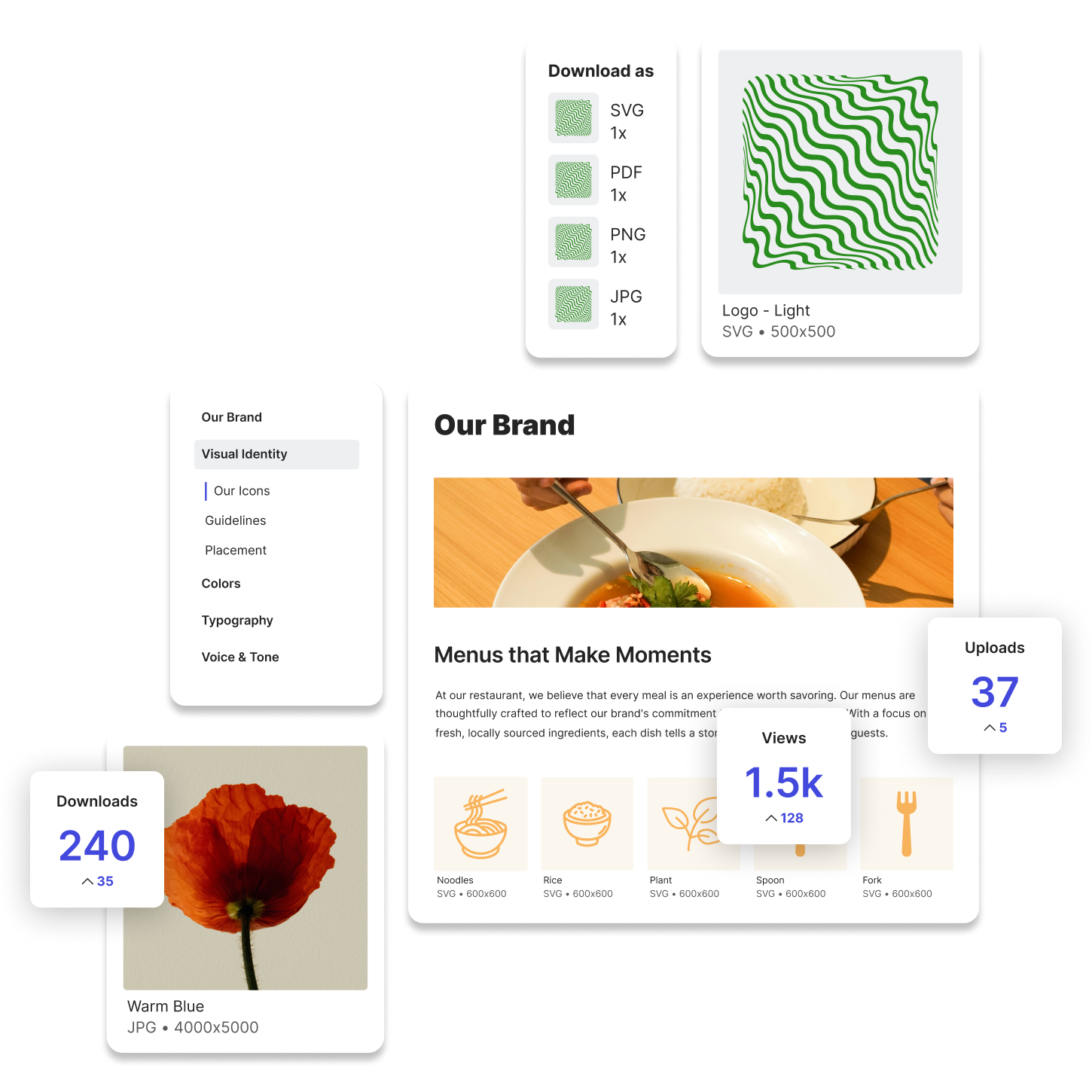
A DAM system is a critical component of marketing resource management because it stores, organizes, and distributes brand assets efficiently. When marketing teams work on campaigns, they need quick access to approved colors, images, videos, templates, logos, and documents. Without a DAM system, teams waste time searching for files, leading to delays and inconsistencies.
Try Lingo for free.