Cannabis Data Management: Connecting Digital Asset Management to the Product Catalog
Cannabis data management is the process of centralizing, organizing, and distributing a brand's technical product information and digital assets from a single source of truth. In the cannabis industry, this involves more than just keeping track of images. It requires a unified system that tethers complex product data, such as terpene profiles and cannabinoid counts, directly to high-resolution brand assets to ensure accuracy across a fragmented retail landscape.
The Importance of Centralized Data
The primary goal of cannabis data management is to eliminate the problem of menu remediation. Currently, many brands struggle with dirty data where their products are listed incorrectly on various dispensary menus. This happens because the industry has lacked a system that connects technical product information to digital assets while syncing them to third-party networks. Without a centralized hub, a brand’s identity is left in the hands of various point of sale systems and e-commerce platforms that do not communicate with one another.
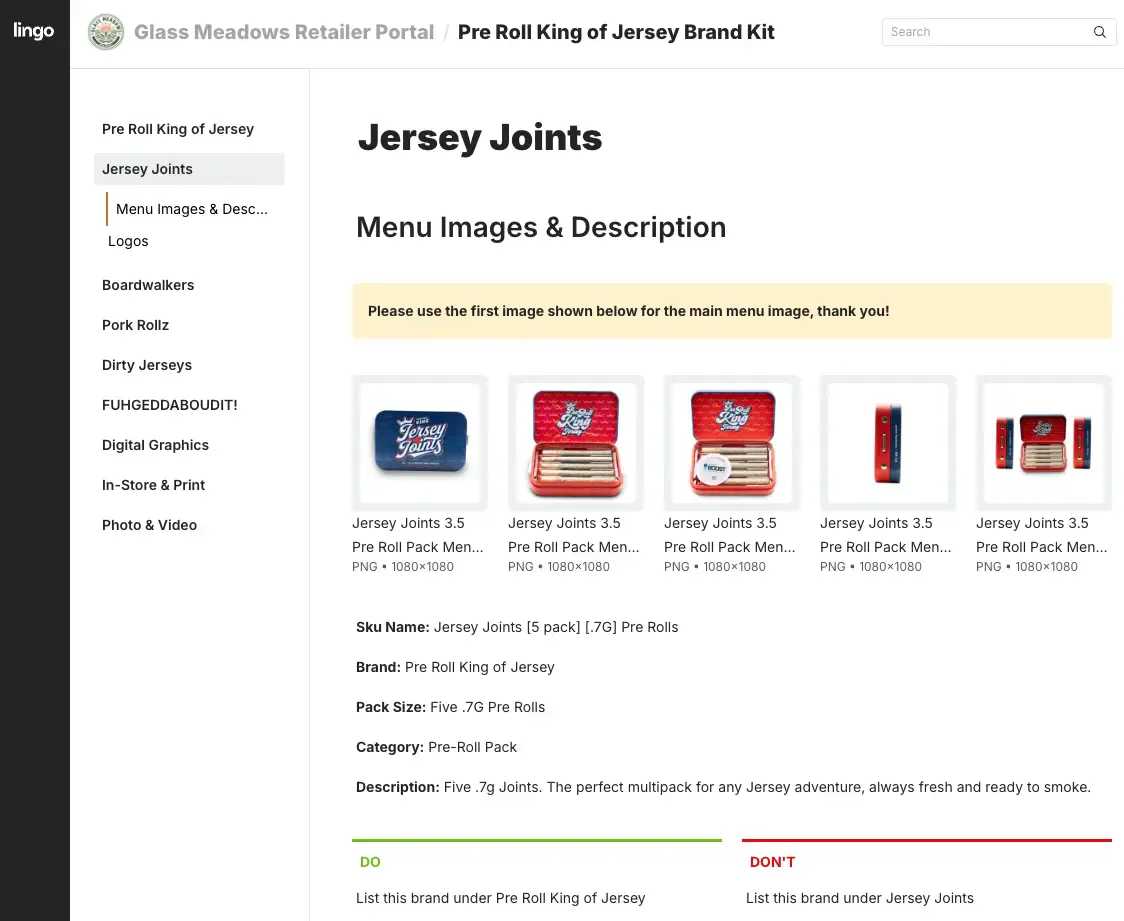
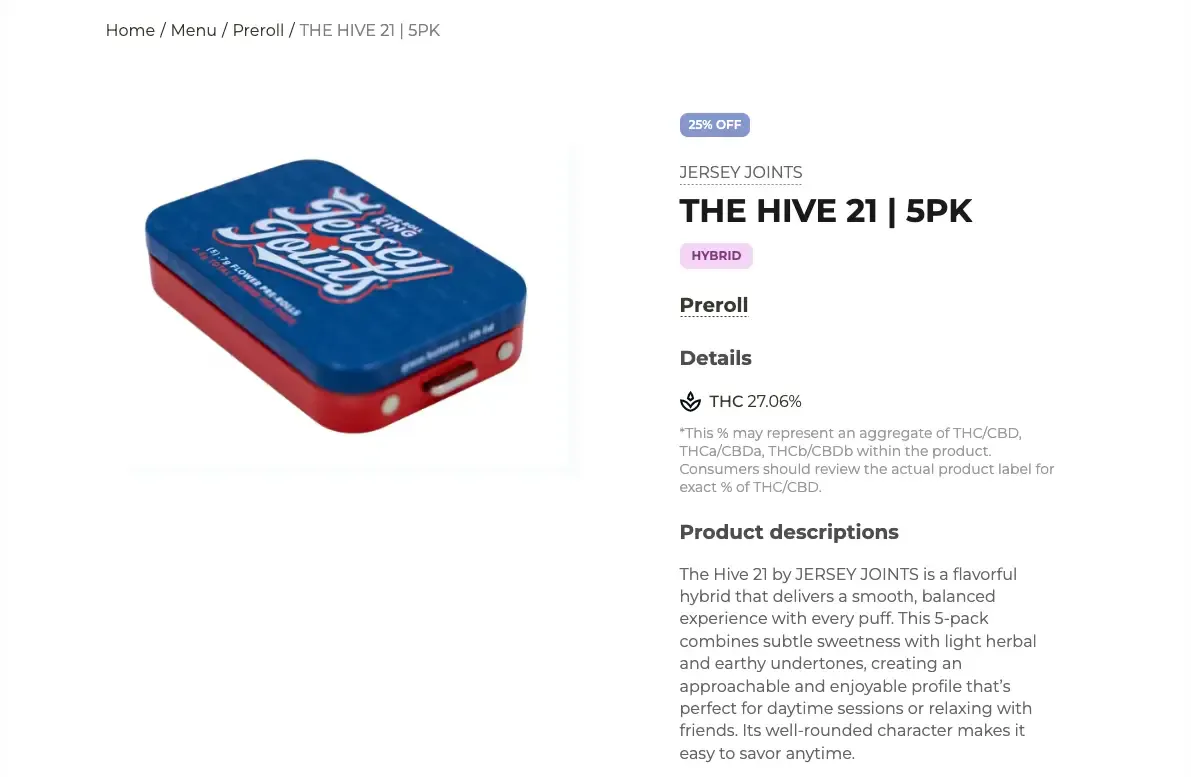
By implementing a robust Digital Asset Management strategy alongside a PIM, brands can take back ownership of their digital shelf. This ensures that the title, description, and visual representation of a product remain consistent regardless of which retail partner is displaying it.
Why Cannabis Requires a Specialized Approach
Standard data management tools built for traditional retail often fail in the cannabis space. In industries like apparel, a specific product remains identical regardless of where it is sold. Cannabis is different because it is governed by a patchwork of state-specific regulations. A product sold in Michigan may require different warning labels, packaging shots, and lab results than the exact same product sold in Massachusetts.
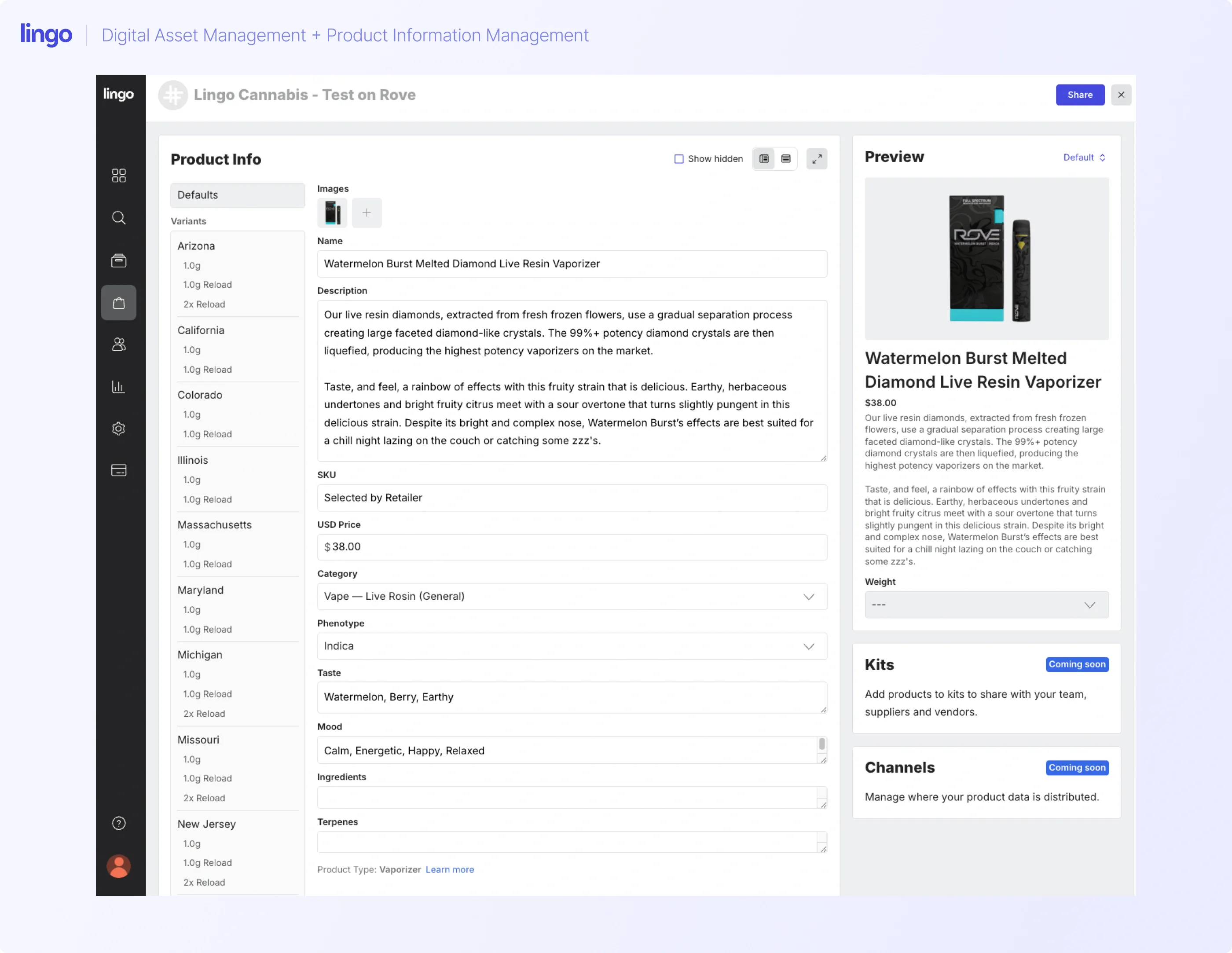
Effective cannabis data management must account for these regional variations. This is why a DAM for Cannabis is essential. It allows multi-state operators to manage global brand defaults while surgically overriding technical data to meet the compliance needs of individual markets.
The Role of PIM and DAM Integration
The integration of a Product Information Management (PIM) system with a DAM is what creates a true source of truth. While a DAM stores the visual files, the PIM houses the "nitty gritty" technical details like effect tags and aroma profiles.
When these two systems work together, the data becomes machine-readable and ready for distribution. This setup allows brands to move away from manual spreadsheets and toward automated workflows. For example, updating a product photo or a terpene percentage in a central hub can eventually trigger updates across an entire network of third-party menus via webhooks and APIs.
Try Lingo for free.